Play store

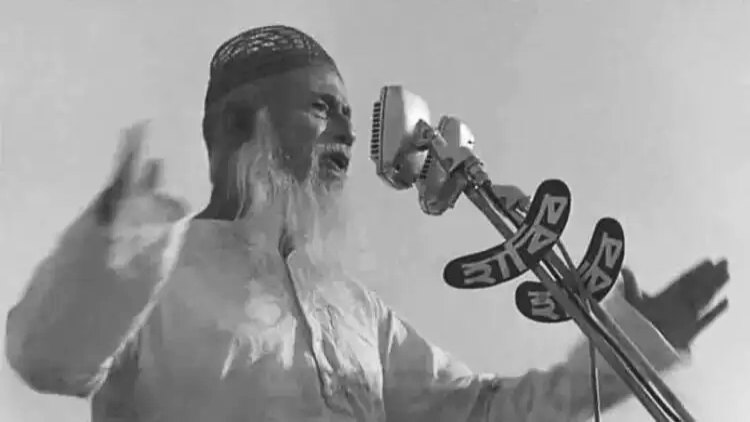
The 50th death anniversary of Maulana Abdul Hamid Khan Bhashani, one of the most influential political leaders in the Indian subcontinent, is being observed across Bangladesh today (Tuesday) with various programmes.
Bhashani passed away on November 17, 1976, while undergoing treatment at the then Postgraduate Hospital in Dhaka.
He was later buried at Santosh in Tangail, where political parties, educational institutions and socio-cultural organisations are paying tribute to him.
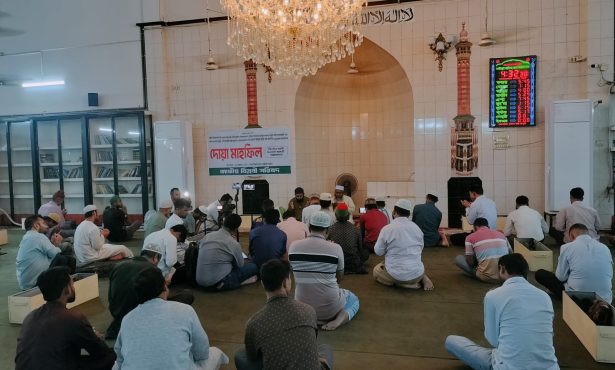
The day’s programmes include placing wreaths at his grave, offering prayers, doa and milad mahfils, distributing food and organising discussions highlighting his life and political contributions.
Maulana Bhashani Science and Technology University, based in Tangail, has also arranged various programmes to mark the occasion.
The Maulana Bhashani Foundation and Khoda-i-Khidmatgar have organised a range of activities, including a traditional Urs, commemorative meetings, wall magazines and community feasts.
Born on December 12, 1880, in Dhangara village of Sirajganj, Bhashani devoted his life to fighting for the rights of farmers, workers and disadvantaged people. He earned the title ‘Mazlum Jananeta’ (Leader of the Oppressed) for his lifelong struggle against exploitation, discrimination and injustice.
He played a significant role in the anti-British movement, the movement for the rights of people in East Pakistan, the Language Movement and the United Front’s formation ahead of the 1954 elections.
Bhashani was the founding president of the East Pakistan Awami Muslim League, established in 1949. He later founded the National Awami Party (NAP) in 1957.
During the 1969 mass uprising, he played an important role in the movement against the military regime of Ayub Khan. During the 1971 Liberation War, he strongly supported Bangladesh’s independence and served as an adviser to the government-in-exile.
One of the defining moments of his political career was the historic Farakka Long March on May 16, 1976, which he led to demand Bangladesh’s fair share of Ganges waters and protest against the adverse effects of the Farakka Barrage.
Five decades after his death, Bhashani remains an influential figure in Bangladesh’s political history for his commitment to social justice, democracy, national sovereignty and the rights of ordinary people.
President Mirza Fakhrul Islam Alamgir has paid tribute to the veteran leader, recalling his contributions to the country’s political and liberation struggles.