Play store

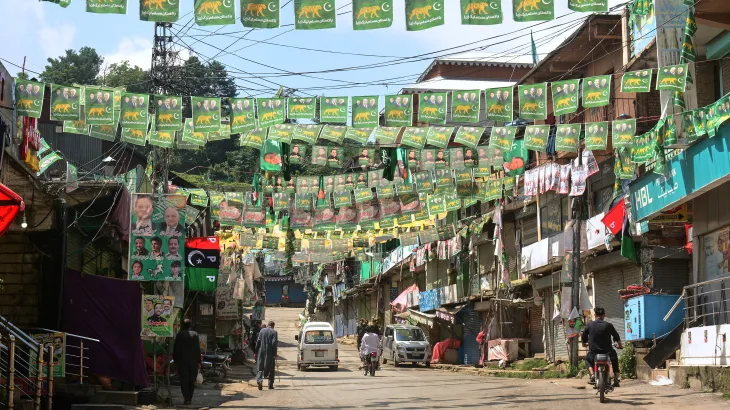
Mobile data and broadband internet services have remained disrupted for more than 100 days in Pakistan-administered Kashmir, affecting daily life and business activities in the region.
The restrictions were imposed after protests began in June demanding electoral reforms, Al Jazeera reported on Tuesday.
Despite three rounds of voting being held amid the unrest, with the final phase completed on August 10, the internet blackout has continued even after the formation of a new regional government.
The prolonged disruption has severely affected local businesses, with online banking apps and websites remaining inaccessible. The disruption has also caused widespread problems in the education sector, forcing authorities to postpone entrance examinations.
Internet monitoring organisation NetBlocks confirmed that partial internet restrictions have been in place since June 5.
India and Pakistan both claim sovereignty over the wider Kashmir region, while the Pakistan-administered part has a semi-autonomous system of government.
Under the existing arrangement, 12 of the 45 seats in the regional legislature are reserved for Kashmiri refugees living in India.
The Jammu Kashmir Joint Awami Action Committee (JKJAAC) launched protests demanding the abolition of the reserved seats. The organisation was banned on June 5, followed by violent clashes in which more than 50 people, including seven security personnel, were reportedly killed, according to local sources.
Voting was suspended in several areas affected by protests over security concerns. The remaining seats were later contested, paving the way for the formation of a new regional government.