Play store

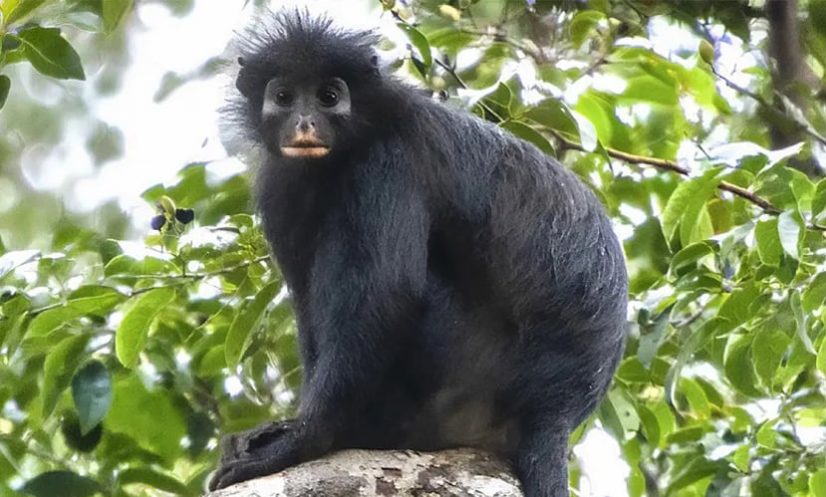
Scientists have identified a new species of monkey in the dense rainforests of the Democratic Republic of Congo, ending a mystery that began with a single photograph taken nearly two decades ago.
The discovery, published in the journal PLOS ONE on July 15, follows years of field research led by biological primatologist Junior Amboko of Florida Atlantic University and an international team of scientists.
The mystery first emerged in 2008 when a photographer captured a partial image of an all-black monkey high in the forest canopy. The photo showed little more than its dark fur and part of its tail, but it raised suspicions that the animal might be unknown to science.
Between 2018 and 2022, researchers returned to the remote forest and recorded dozens of sightings. They observed the monkey’s distinctive orange patch around its mouth, documented its deep calls and examined skulls collected from confiscated primate carcasses.
Genetic analysis confirmed the monkey belongs to a previously unknown lineage of the Colobus genus. Named Colobus congoensis, the species is believed to have split from its closest known relative, Colobus satanas, at least four million years ago.
“New primate discoveries are rare,” said Tim Davenport, Africa director of the conservation group Re:wild, noting that such finds usually occur only in remote and poorly studied regions.
Researchers said local communities have long known the monkey by the name Likweli, although it is unclear when the name first came into use.
Scientists warned that the newly identified species may already face conservation threats. It is hunted for bushmeat, and its known habitat covers only about 1,700 square kilometres, making it vulnerable to habitat loss and hunting.
Experts say further research is needed to better understand the species and develop conservation plans in partnership with local communities to protect its remaining forest habitat.