


 Play store

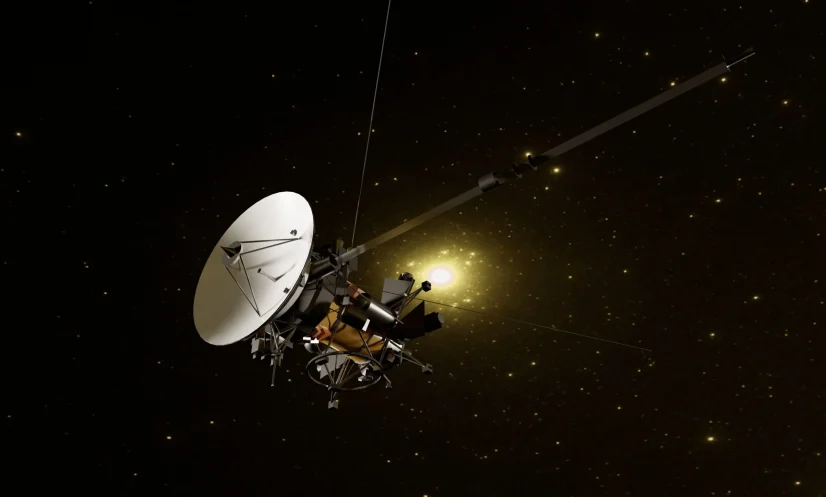
NASA engineers have found a way to extend the scientific life of Voyager 2 by freeing up additional power aboard the nearly 50-year-old spacecraft.
The power-saving effort, dubbed the “Big Bang,” was carried out by engineers at NASA’s Jet Propulsion Laboratory (JPL). They simultaneously shut down selected powered components and switched to alternative systems that consume less electricity, while ensuring the spacecraft remains warm enough to operate.
Voyager 2 and its twin, Voyager 1, generate electricity using radioisotope thermoelectric generators, which convert heat from decaying plutonium into electrical power. As the plutonium continues to decay, each spacecraft loses roughly 4 watts of available power every year.
After nearly five decades in space, the probes have very little excess power. Mission controllers have therefore been forced to gradually shut down systems and scientific instruments that are no longer essential.
Since 2024, declining power supplies have led engineers to turn off two science instruments on each spacecraft. Each Voyager originally carried 10 scientific instruments, although several had already been shut down after completing their planetary encounter missions.
Without the latest power-saving measures, the Voyager 2 team would have had to switch off another scientific instrument before the end of 2026.
NASA said the newly freed power is expected to allow Voyager 2 to keep all three of its remaining science instruments operating for at least another year. The instruments continue to provide valuable measurements from the distant reaches of the solar system.
Engineers also plan to carry out a similar power-saving operation on Voyager 1, which is currently farther from Earth than Voyager 2.
The team expects to complete the work on Voyager 1 in the coming months, potentially extending the scientific operations of another of humanity’s longest-running space missions.