


 Play store

Scientists have discovered a vast and largely unexplored viral ecosystem deep beneath the Pacific Ocean, with nearly 99% of the viruses found in the region previously unknown to science.
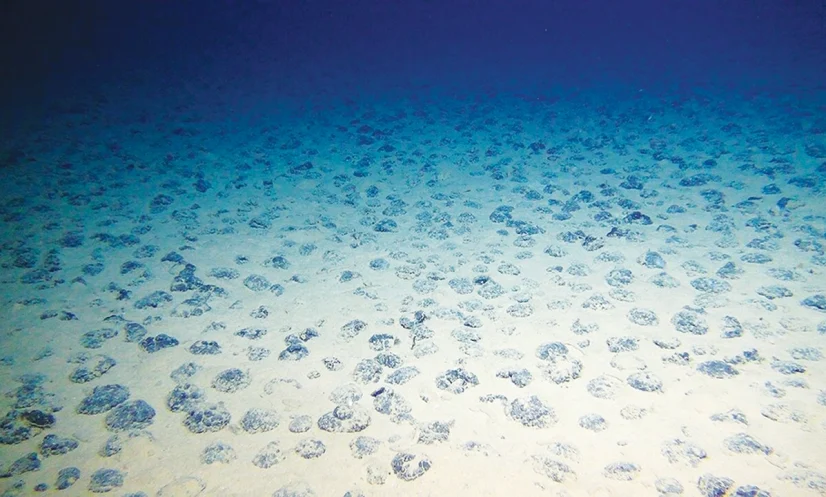
The discovery was made in the Clarion-Clipperton Fracture Zone, a vast deep-sea region rich in polymetallic nodules. The findings were published in the journal Nature Communications.
Researchers from Chongqing University and the Second Institute of Oceanography in China studied the virome to establish a baseline for the region’s microbial ecosystem and help assess potential environmental impacts in the future.
The study identified 11,742 distinct viruses in sediment beneath polymetallic nodules, with almost all of them considered novel. Researchers reached the findings through DNA and RNA sequencing of deep-sea sediment samples collected in 2023 and 2024.
Most of the viruses are specialised in infecting prokaryotic microorganisms such as bacteria and archaea. These single-celled organisms play important roles in biogeochemical processes, including the cycling of carbon, nitrogen, phosphorus, sulphur and metals.
According to the researchers, the viruses can influence the metabolism of their microbial hosts and may help them adapt to metal-related stress in the deep-sea environment.
However, the scientists warned that commercial mining of polymetallic nodules could pose long-term risks to these sensitive ecosystems.
They said further research is needed to understand how deep-sea mining could affect the newly identified viruses and their microbial hosts before large-scale mineral extraction begins.