Play store


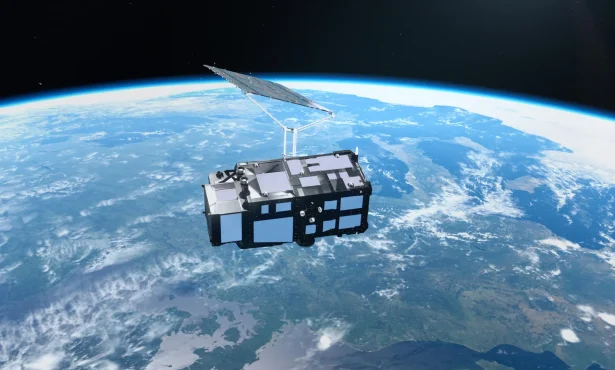
The United States has approved billionaire Elon Musk’s ambitious plan to deploy one million satellites equipped with artificial intelligence (AI) computing facilities in space, as technology companies seek alternatives to land-based data centres amid surging demand for AI services.
On Wednesday, the US Federal Communications Commission (FCC) authorised the project, named “Starmind”, describing it as a first in the country’s history.
“At this pivotal time in America’s development of super intelligence, the FCC is granting SpaceX authorisation to deploy 1,000,000 orbital compute modules to process massive amounts of data to be used back here on Earth,” the FCC said in a statement posted on X by its chairman Brendan Carr.
Carr said the administration of President Donald Trump was moving to ensure that the technology created opportunities, attracted investment and delivered benefits to Americans.
He said the initiative could combine US strengths in space exploration and advanced technology, reinforce its economic leadership and expand domestic prosperity.
How will the project work?
The project aims to address growing demand for computing power as artificial intelligence applications expand worldwide.
Data centres, which require enormous amounts of electricity to process and store information, have become a major challenge for technology companies seeking to expand their AI operations.
SpaceX plans to overcome some of these constraints by using solar energy to power computing facilities placed aboard satellites in orbit.
According to the company, the project will use satellites equipped with localised AI computing capabilities, with processed results transmitted back to Earth from low-latency, sun-synchronous orbits.
SpaceX describes the system as a low-cost, high-performance solution and argues that deploying computing infrastructure in space could be the fastest way to expand capacity amid increasing difficulties in securing electricity supplies on Earth.
A massive expansion of SpaceX’s satellite network
The Starmind project would add to SpaceX’s existing satellite network, primarily operated through its Starlink internet service.
According to satellite-tracking platform SatFleet Live, there are currently 16,928 active satellites in orbit worldwide. Of these, 11,190, or around 66 per cent, belong to SpaceX’s Starlink network.
The FCC approval sets out a phased deployment schedule for the proposed satellite data centres.
SpaceX must begin deployment no later than November 2033. It will be required to launch at least 10 per cent of the authorised constellation, or 100,000 satellites, by November 2035.
The company must increase deployment to 50 per cent by November 2038 and complete the entire one-million-satellite constellation by 2040.