


 Play store

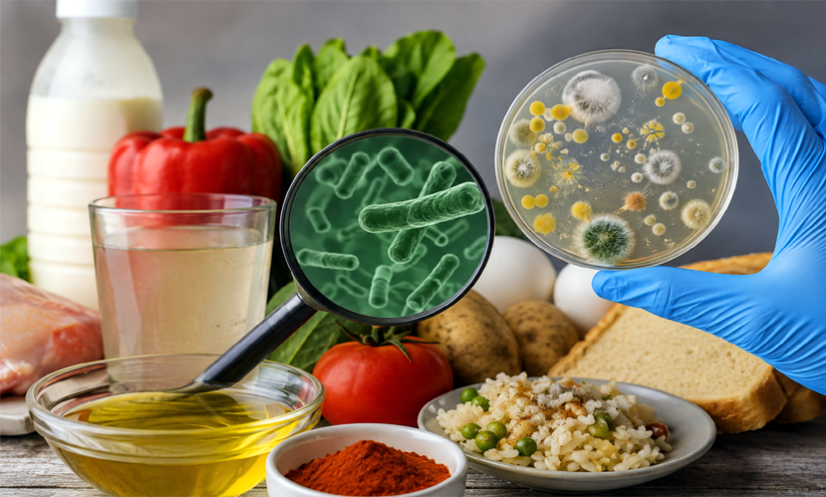
Dangerous levels of toxic chemicals, heavy metals and harmful bacteria have been detected in a wide range of everyday food products in Bangladesh, including vegetables, edible oil, milk, spices, sweets, baby food and beverages, according to a report by the Bangladesh Food Safety Authority (BFSA).
Tests conducted during the 2024-25 fiscal year found lead in vegetable samples collected from different markets and areas of Dhaka at concentrations ranging from 1.16 to 2.37 parts per million (ppm). Cadmium was also detected at 0.33 ppm in the samples.
More alarmingly, some vegetable samples contained E. coli, faecal coliform and Salmonella, raising serious concerns about food safety and public health.
The contamination is not limited to Dhaka. Tests conducted on water and various essential food products collected from Gazipur, Rajshahi and other parts of the country also detected harmful chemicals and microorganisms at concerning levels.
Experts have warned that prolonged exposure to contaminated food can increase the risk of serious health problems, including cancer, kidney and liver diseases, and cardiovascular complications.
According to the BFSA report, harmful chemicals are being used in fish, meat, fruits and spices, apparently to increase profits. Chemicals are also reportedly being used in milk production, while prohibited substances have been detected in sweets such as jilapi.
Some fruit drinks have reportedly been prepared using artificial flavours and textile dyes. Carbide and hormones are also being used to ripen immature fruits, according to the findings.
Such contaminated products are consumed not only by healthy adults but also by children and patients, potentially exposing vulnerable groups to serious health risks.
The BFSA tests also found significant levels of faecal coliform in water samples collected from different districts.
The report found 120 colony-forming units (CFU) of faecal coliform per 100 millilitres of water in Dinajpur, while 60 CFU were detected in a sample from Khagrachhari. A sample collected from Bagerhat contained 43 CFU per 100 millilitres.
Vegetable samples collected from different markets and areas of Dhaka contained lead ranging from 1.16 to 2.37 ppm, along with cadmium at 0.33 ppm.
According to the BFSA, the normal permissible level of lead in vegetables is 0.3 ppm. The highest level detected in the tested samples was therefore several times above that level.
Some vegetable samples also tested positive for E. coli, faecal coliform and Salmonella.
Samples of jaggery collected from Rajshahi, Gazipur and other districts were found to contain sodium hydrosulphite, a substance prohibited for use in food.
Prohibited chemicals were also detected in samples of branded and loose biscuits collected from Cumilla, Manikganj, Tangail and Habiganj, in violation of food safety standards.
Tests also found excessive salt in chanachur samples. A sample was found to contain aflatoxin, a toxin associated with serious liver damage and an increased risk of cancer when exposure is prolonged.
Tests of salt samples collected from different districts found both iodine deficiency and iodine levels above the permissible limit, raising questions about the effectiveness of efforts to ensure adequately iodised salt.
Samples of turmeric and chilli powder were also found to contain excessive ash, which may indicate the use of inferior ingredients or adulteration.
Mustard oil samples were found to contain high levels of acid, suggesting deterioration in quality or problems during production or storage.
A honey sample collected from Khulna contained excessive sucrose, while samples from different districts were found to contain excessive levels of fructose and glucose.
Ghee samples collected from Rajbari and Chattogram contained insufficient or no detectable milk fat, indicating that the products did not meet the required standards for genuine ghee.
Lead was also detected in a milk powder sample collected from Barishal, a particularly worrying finding given the potential risks to both children and adults.
Tests found excessive levels of benzoic acid, tartrazine and caffeine in various fruit drinks, soft drinks and artificially flavoured beverages.
A jilapi sample collected from Cox’s Bazar was found to contain sodium hydrosulphite, which is prohibited for use in food.
Pickle samples collected from different districts were also found to contain preservatives at several times the permitted limits, potentially posing health risks with prolonged consumption.
The findings underline the scale of food safety challenges facing Bangladesh and raise concerns over the need for stronger monitoring, enforcement and public awareness to prevent harmful chemicals, heavy metals and pathogens from entering the food chain.