Play store

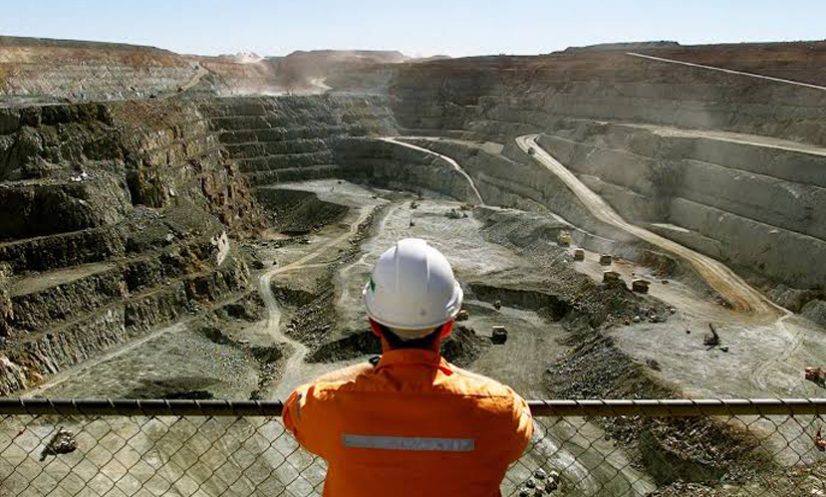
US companies are accelerating efforts to reduce their dependence on China for critical minerals used in advanced weapons systems as the Trump administration pushes to strengthen domestic production and secure defense supply chains.
One of the companies leading the effort is Phoenix Tailings, which operates a small refinery in New Hampshire that extracts rare-earth minerals from mining waste using electricity. The recovered materials are used in key US defense systems, including missiles deployed during the conflict with Iran.
The company recently secured a $500 million loan from the Pentagon to expand production. However, building a new processing facility is expected to take up to 18 months, highlighting the challenge of rapidly increasing domestic supplies.
The urgency has grown as the conflict with Iran has depleted US stockpiles of weapons such as Tomahawk cruise missiles and THAAD missile interceptors. At the same time, the White House is urging defense contractors to boost production while tightening restrictions on sourcing critical minerals from China.
Phoenix Tailings Chief Commercial Officer and co-founder Anthony Balladon said replenishing depleted stockpiles while meeting new sourcing regulations would be a major challenge.
To bridge the supply gap, the company is processing mining waste as well as recycled magnets and discarded computer hard drives to recover valuable rare-earth elements. It plans to build a larger facility—dubbed the “Freedom Facility”—to supply critical metals to the defense, aerospace and automotive industries, reducing reliance on Chinese sources.
The company produces metals used in powerful permanent magnets essential for fighter jets, missiles, radar systems and drones. Balladon said critical minerals are indispensable to modern weapons, noting that even the most advanced systems cannot function without relatively small amounts of these specialized materials.
The defense industry has a particular need for samarium, requiring an estimated 50 to 100 tons annually, while US production remains extremely limited. Phoenix Tailings currently produces around 200 kilograms of samarium each year but expects to raise output to five tons within months and reach an annual capacity of 120 tons by 2027 or 2028.
Meanwhile, US magnet manufacturer Arnold Magnetic Technologies has shifted its samarium supply from China to France. The company now sources the material from Belgium-based chemical group Solvay, which has resumed processing rare earths from mining waste at its La Rochelle facility after suspending operations in the early 2000s.
China expanded its dominance in rare-earth processing during that period and later used its market position to restrict exports during trade disputes with the United States. Solvay has since expanded its operations to meet growing demand driven by geopolitical concerns and efforts to diversify supply chains.
Arnold CEO Matt Blake said the higher cost of sourcing samarium from Europe has had little impact because the magnets account for only a small share of the overall cost of advanced weapons systems.
Despite these efforts, concerns remain over other strategic minerals such as tungsten. The United States still relies heavily on imports, while China controls roughly 80% of global tungsten mining and an even greater share of processing capacity.
Industry experts say expanding domestic production of tungsten and other critical minerals will take years. Until then, the Pentagon and defense manufacturers are expected to rely on existing stockpiles, increased recycling and supplies from countries outside China to meet growing defense needs.