Play store

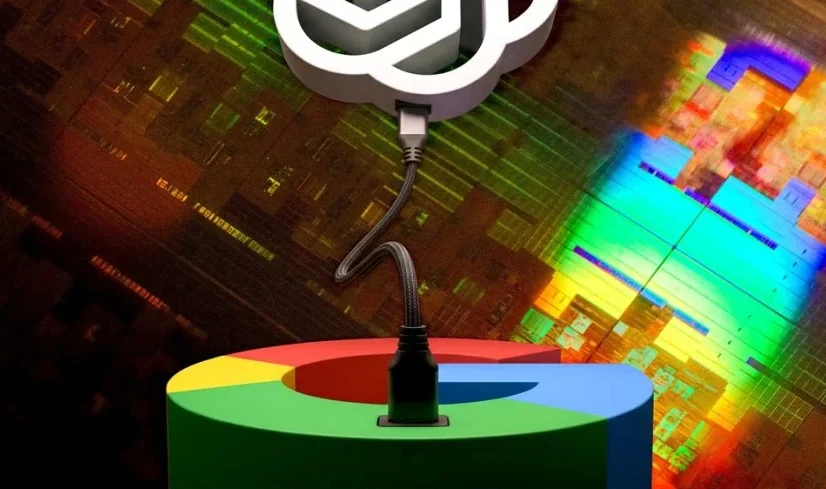
OpenAI is planning to buy Google’s proprietary artificial intelligence chips, known as Tensor Processing Units (TPUs), directly, as commercial ties between the two AI rivals deepen, technology news outlet The Information reported.
The planned purchase follows OpenAI’s recent announcement that it would make its frontier AI models available through Google Cloud. The chip deal would mark the second major commercial agreement between the two technology giants, which compete in the rapidly expanding AI market.
Google TPUs gain ground as alternative to Nvidia
Google’s TPUs are emerging as a potential alternative to Nvidia processors amid surging demand for AI computing power and supply constraints in the global chip market.
Google earlier this year began selling TPUs directly to selected customers, broadening access to its in-house AI chips.
OpenAI, previously a major Nvidia customer, has also been renting and using Google’s TPUs since mid-2025, according to the report.
The ChatGPT maker is pursuing multiple strategies to meet its vast computing needs, including developing its own chips with US semiconductor company Broadcom and working with cloud partners to secure additional computing capacity.
Heavy AI investment raises profitability questions
Major technology companies, including Amazon, Microsoft and Google parent Alphabet, have collectively targeted around $600 billion in AI infrastructure investment this year.
The massive spending has raised questions among market analysts about when such investments will translate into substantial commercial returns and profits.
Google Chief Financial Officer Anat Ashkenazi has said a significant portion of revenue from TPU sales and leasing agreements with major customers, including Anthropic and OpenAI, is expected to become visible on the company’s balance sheet around 2027.
The growing commercial relationship between Google and OpenAI highlights how fierce competition in AI development is coexisting with cooperation over the computing infrastructure needed to train and run advanced models.