Play store

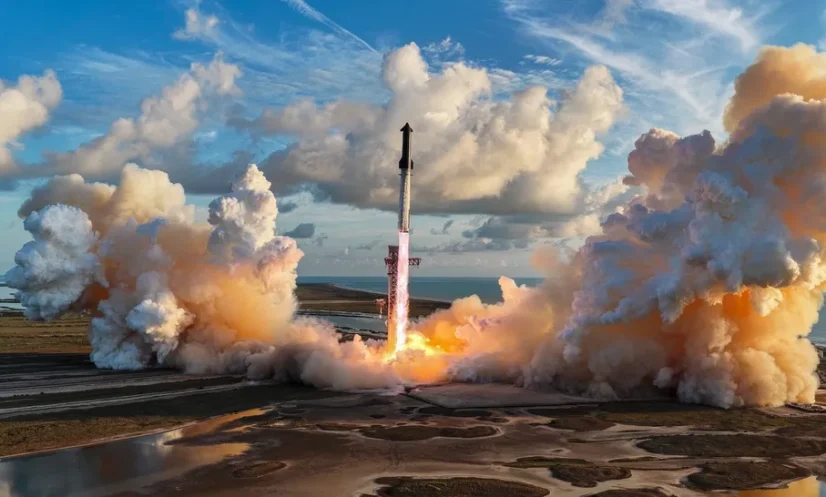
SpaceX is set to make spaceflight history on Friday (November 13) as it prepares to attempt the first-ever recovery of both stages of its Starship megarocket at the launch site.
The company has scheduled the 15th test flight of Starship for Friday, with the mission aiming to return both the Super Heavy booster and the upper-stage Starship spacecraft to the launch tower for a mid-air catch.
“If successful, this will mark the first full recovery of an orbital launch system and a breakthrough moment in making Starship a reliable, rapidly reusable rocket,” SpaceX said in its mission description.
The launch is scheduled to take place from the company’s Starbase facility in South Texas during a 75-minute window opening at 5:45 pm Eastern Standard Time (10:45 pm GMT).
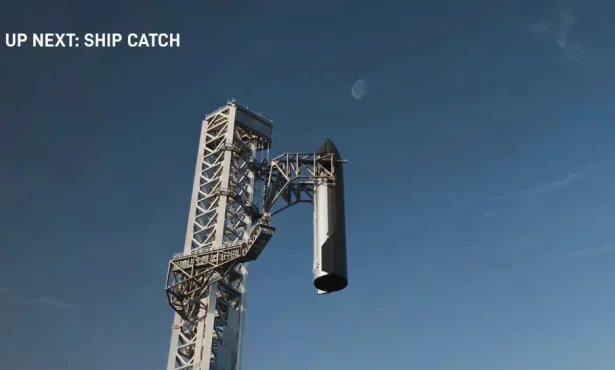
Super Heavy, the rocket’s giant first-stage booster, is expected to return to the launch site about six and a half minutes after liftoff. It will be caught by the mechanical arms, known as “chopsticks”, attached to the launch tower.
The more challenging part of the mission will be the attempted recovery of Starship’s upper stage, which will travel much farther and higher before returning to Earth.
SpaceX has successfully caught the Super Heavy booster on three previous flights but has never attempted to catch the Starship spacecraft itself.
The company has designed both stages to be fully reusable, a key element of its ambition to significantly reduce the cost of space travel and enable frequent launches.
SpaceX founder and chief executive Elon Musk previously described the planned double catch as a major technological milestone.
During the upcoming flight, Starship is also expected to enter orbit and deploy 26 next-generation Starlink V3 satellites. The spacecraft first achieved an orbital flight during its 14th test mission on September 28.
The V3 satellites are part of SpaceX’s planned expansion of its Starlink broadband network. Musk has said the company eventually aims to establish a constellation of around 100,000 satellites.
The success of Flight 15 would represent a major step towards SpaceX’s goal of developing a fully reusable launch system capable of supporting future missions to the Moon and Mars.