


 Play store

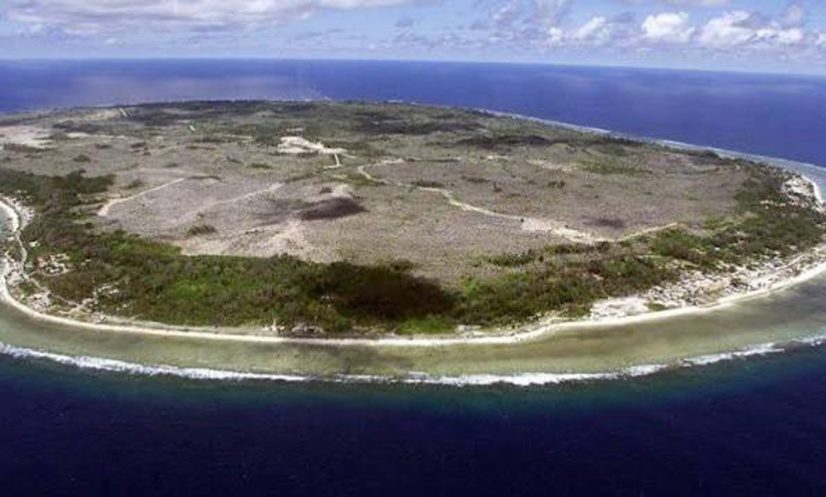
The Pacific island nation of Nauru, the world’s third-smallest sovereign state, has officially changed its name to the Republic of Naoero, adopting the spelling and pronunciation used in its indigenous language. President David Adeang announced the historic move, describing it as an important step toward restoring the country’s cultural identity and linguistic heritage.
Under the change, the country’s citizens will no longer be officially referred to as “Nauruans” in international contexts. Instead, they will be known as Dei-Naoero, reflecting the nation’s native language. The country’s international code is also being changed from NRU to NRO, while the internationally familiar pronunciation “Nauru” will be replaced by the indigenous pronunciation, “Naoero.”
In a statement posted on the government’s official Facebook page, authorities said the decision marks the South Pacific island nation’s return to its historical roots. A previous government statement explained that “Nauru” had never been the country’s preferred name. Rather, it became widely used internationally because the original indigenous pronunciation was considered difficult for foreigners.
When the constitutional amendment bill was introduced in Parliament in January, President Adeang said the proposal was a carefully planned effort to honour the nation’s language, culture and unique identity more faithfully. Lawmakers approved the amendment in two rounds of voting, paving the way for the official name change.
Home to about 12,000 people, the coral island nation is the world’s third-smallest country by population after Vatican City and Tuvalu. Once a German colony and later administered by Australia, the country gained independence in 1968.
Nauru enjoyed enormous wealth during the 1970s from phosphate mining, but the depletion of its phosphate reserves in the 1990s pushed the country into severe economic decline. Today, the low-lying island faces growing threats from rising sea levels caused by climate change. To raise funds for relocating communities and protecting critical infrastructure, the government has introduced a citizenship-by-investment programme.
President Adeang said the renaming represents the beginning of a renewed sense of national pride. Although a referendum was initially proposed to gauge public opinion before Parliament’s final vote in May, the government later concluded that such a vote was unnecessary after extensive public discussions.
According to the government, the name “Naoero” has never disappeared from the country’s identity. It is already reflected in the national coat of arms and recognised in the Constitution, making the official change a restoration rather than the creation of a new identity.
Nauru joins a growing list of countries reclaiming indigenous names after colonial rule. In 2018, Swaziland officially became Eswatini, while Turkey requested the United Nations in 2022 to adopt the name Türkiye in international usage.