Play store

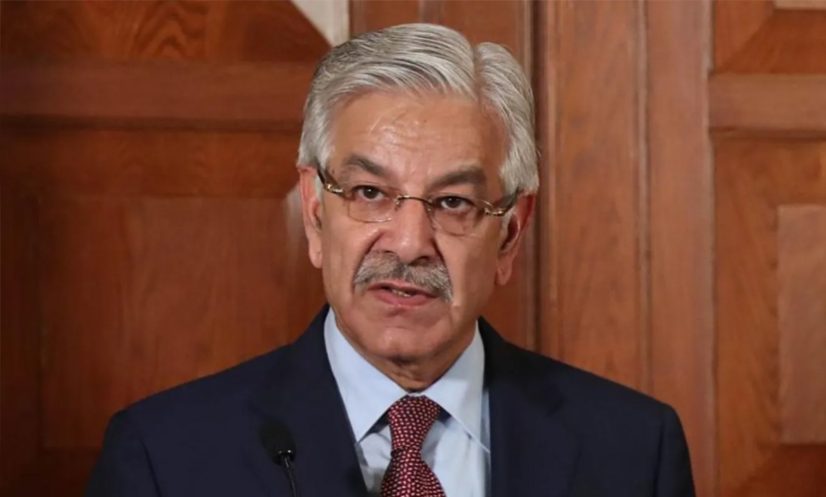
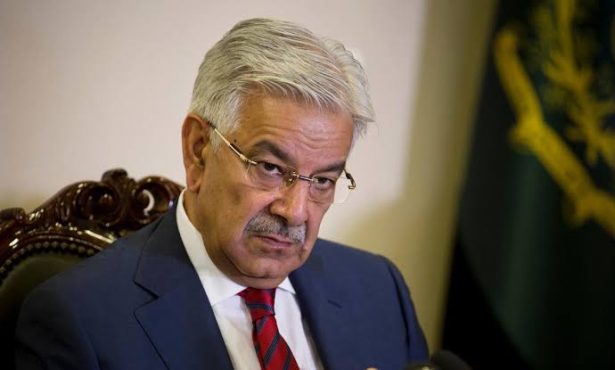
Pakistan’s Defence Minister Khawaja Muhammad Asif has said the time has come to implement the “Mecca defence pact” with Saudi Arabia following an alleged Houthi drone attempt near the holy city of Mecca.
Speaking to Geo News programme Aaj Shahzeb Khanzada Kay Sath on Wednesday, Asif said Pakistan did not need a formal agreement to defend Islam’s holy sites, describing their protection as part of the country’s responsibility.
“The Mecca pact applies to us and we will fulfil our responsibility,” Asif said, while declining to disclose details of the agreement’s military or defence provisions.
Saudi authorities said their air defence systems detected a Houthi drone south of Mecca on Tuesday evening and shot it down before it could enter the holy city’s restricted airspace. A spokesman for the Saudi-led coalition said it was the second alleged Houthi attempt to target Mecca.
The Houthis denied targeting the holy city. Their military spokesman, Yahya Saree, said their operations were directed at Saudi oil facilities and military bases located far from the holy sites.
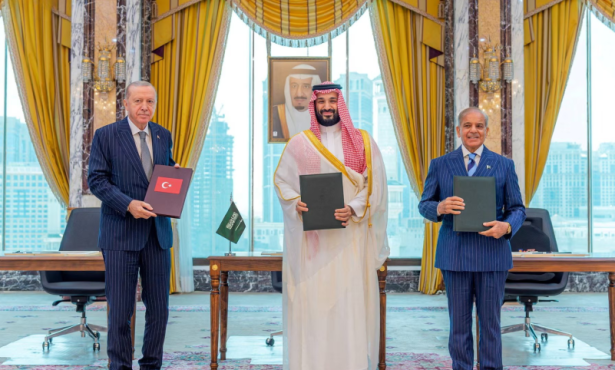
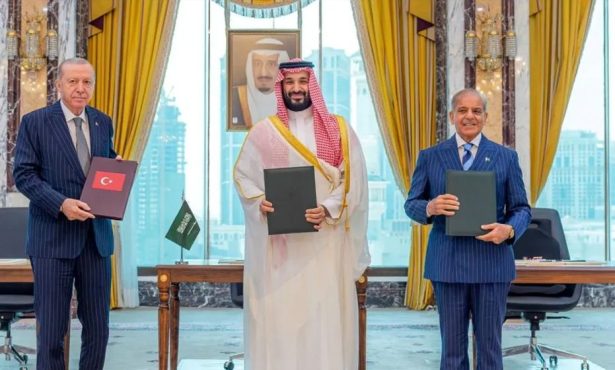
Asif said the defence pact provides for mutual defence if the territorial integrity or geographic borders of any of the three countries involved are violated. He said there was “absolutely no ambiguity” over its applicability, but stressed that Pakistan would not publicly discuss its military strategy or operational details.
Earlier on Wednesday, Pakistani Prime Minister Shehbaz Sharif reaffirmed Islamabad’s full support for Saudi Arabia’s defence, saying Pakistan stood “shoulder to shoulder” with Riyadh.
Condemning what he called an alleged drone attack attempt against Mecca, Sharif described it as a “heinous and barbaric attempt” and urged all sides to exercise maximum restraint to prevent further escalation. He said dialogue and diplomacy remained the way to achieve a sustainable solution to regional conflicts.
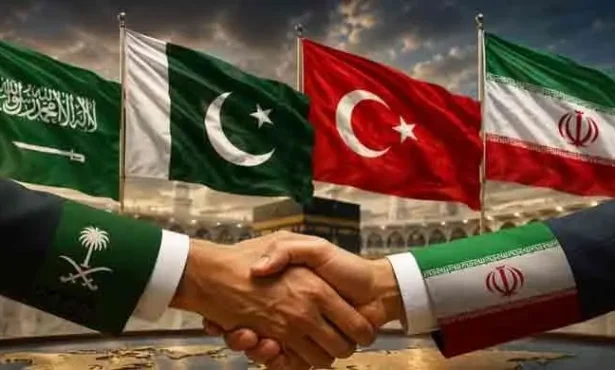
Asif also said Pakistan had conveyed a message from Saudi Arabia to Iran amid concerns over Houthi attacks on the kingdom.
He said he did not believe Iran, as a state, would support the Houthis in a way that opened another front of conflict in the region.
“There are non-state armed groups that can act on their own without waiting for formal approval or support from any state,” Asif said, distinguishing their actions from those of the Iranian government.
He added that it would not be a prudent decision for Tehran to directly intervene in a conflict between the Houthis and Saudi Arabia. Pakistan, he said, would continue efforts to prevent the conflict from spreading to new areas.
Asif said the trilateral defence cooperation among Saudi Arabia, Turkey and Pakistan had developed in response to the countries’ security needs. He added that further defence cooperation could emerge in the region, while describing that assessment as his personal analysis.
He also warned that disruptions to key maritime routes, including the Strait of Hormuz and Bab al-Mandab, were already affecting regional trade and economies.
“Keeping maritime trade routes open and ensuring regional stability has become increasingly important,” he said, adding that countries in the region may need to work more closely together to address their security concerns.