Play store

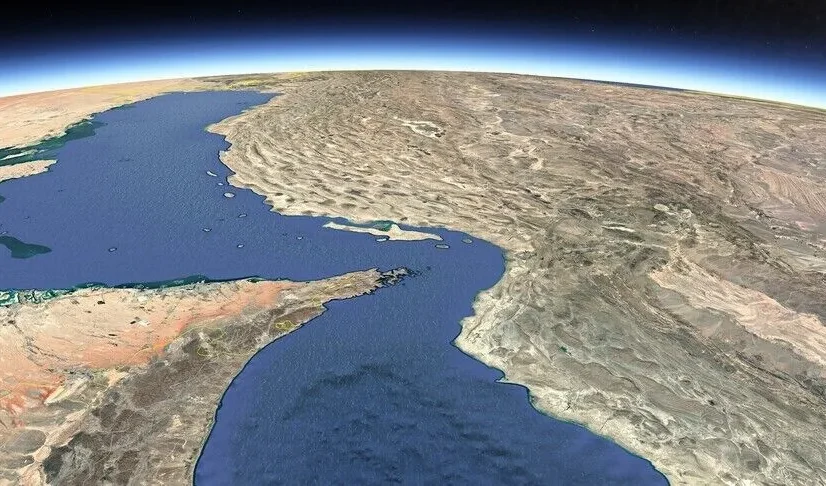
Iran on Sunday maintained its conditions for reopening the Strait of Hormuz after US President Donald Trump rejected a proposal that had raised hopes of breaking the deadlock in the nearly seven-month-old Middle East conflict.
The strategic waterway, through which a significant share of the world’s energy supplies passes, has become a key flashpoint in the confrontation between Washington and Tehran.
Iranian Foreign Minister Abbas Araghchi said Tehran’s proposal included a halt to hostilities across the Middle East, including in Lebanon, and implementation of conditions contained in an earlier ceasefire agreement.
Those conditions included the release of frozen Iranian assets, lifting sanctions on Iranian oil and ending the US naval blockade, according to Araghchi.
“Our conditions are clear, and any move toward reopening the Strait of Hormuz is contingent upon these conditions being fulfilled. We will not back down from them,” Araghchi said, according to state broadcaster IRIB.
He said Iran remained open to diplomacy but would not give up what it considers its rights.
Trump said on Saturday that he had rejected the proposed truce, saying Iran wanted the Strait reopened because it was “losing so badly.”
Araghchi said Tehran had received Trump’s initial reaction but had not yet received a formal response through mediators.
“We are waiting for the mediators to convey the definitive positions to us, and we will make a decision based on them,” he said.
Iran has conveyed a seven-day proposal to the United States through Qatar, Araghchi said at the United Nations. Under the plan, the Strait could be reopened and normal maritime traffic restored within seven days if the required conditions were met.
At the UN, Saudi Foreign Minister Faisal bin Farhan said the international community had failed to do enough to keep the Strait of Hormuz and Bab al-Mandab open.
“The kingdom rejects any party’s use of these vital passages as a tool for pressure, threat, or harm to the interests of states,” he said.
Russian Foreign Minister Sergei Lavrov said Moscow was ready to help stabilise the strategically important region.
Iranian President Masoud Pezeshkian also met UN Secretary-General Antonio Guterres in New York. According to his office, Pezeshkian said Iran had not abandoned negotiations but no longer trusted the United States because of previous experiences.
Meanwhile, Hossein Mohebi, a spokesman for Iran’s Revolutionary Guards, was quoted by Tasnim news agency as saying Iran would continue its actions against the United States until Tehran’s seven conditions were met.
He previously told AFP that ending hostilities in Yemen was also among Iran’s demands.