Play store

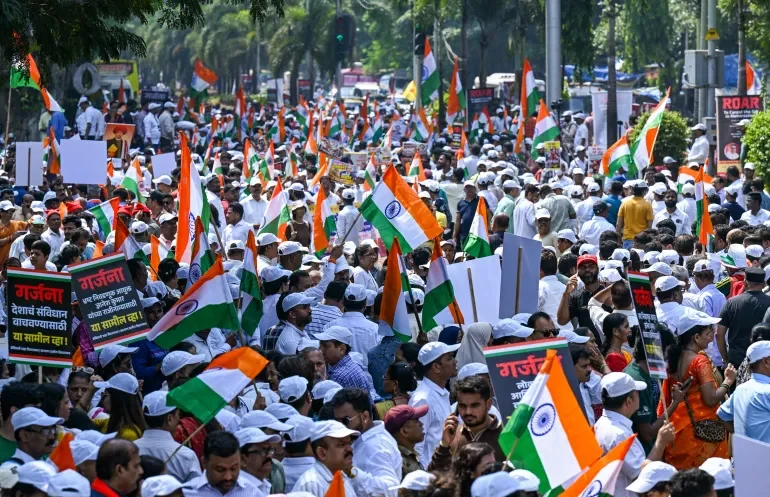
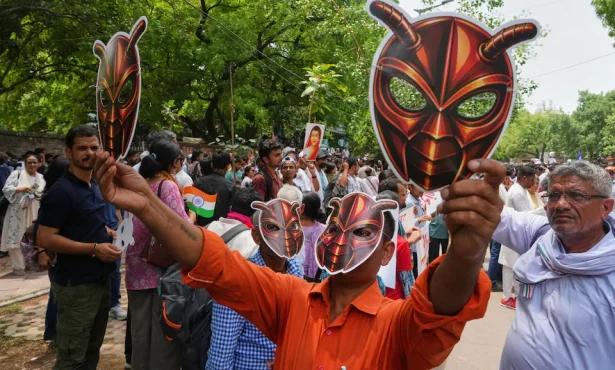
Thousands of youth and opposition supporters rallied in Mumbai and New Delhi for a third consecutive day on Sunday, demanding the resignation of Chief Election Commissioner Gyanesh Kumar over a disputed revision of electoral rolls.
In Mumbai, Shiv Sena (UBT) chief Uddhav Thackeray and Maharashtra Navnirman Sena leader Raj Thackeray led a large march against the Election Commission’s Special Intensive Revision (SIR) exercise. Protesters carried Indian flags and accused the poll panel of disenfranchising voters.
The Election Commission and Prime Minister Narendra Modi’s Bharatiya Janata Party (BJP) have rejected the allegations. The ECI says the revision is aimed at removing duplicate, deceased and ineligible names while ensuring the accuracy of electoral rolls. It has also directed officials to include eligible voters who were inadvertently left out.
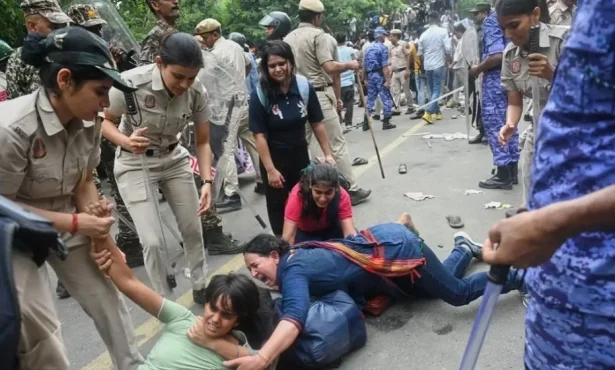
In New Delhi, police detained around 110 people during Sunday’s demonstrations, according to Indian media reports. The protests have faced restrictions as authorities seek to prevent large gatherings in central areas. Police have also registered cases following clashes during earlier demonstrations.
The controversy has now reached the Supreme Court. On Monday, the court issued a notice to Kumar over petitions challenging decisions related to the SIR exercise. However, it declined to grant an interim request to remove him from office while the case is heard.
The opposition plans to intensify the campaign. India’s opposition alliance is expected to hold a joint protest outside the Election Commission’s office on October 7, while the Gen Z-led Cockroach Janta Party (CJP) has called for a nationwide mobilisation and a major rally at Delhi’s Jantar Mantar on October 10.
CJP leaders have vowed to continue the protests despite possible arrests of their organisers.
The demonstrations are becoming a major political challenge over voter-list revisions, electoral transparency and the independence of India’s election authorities.