


 Play store

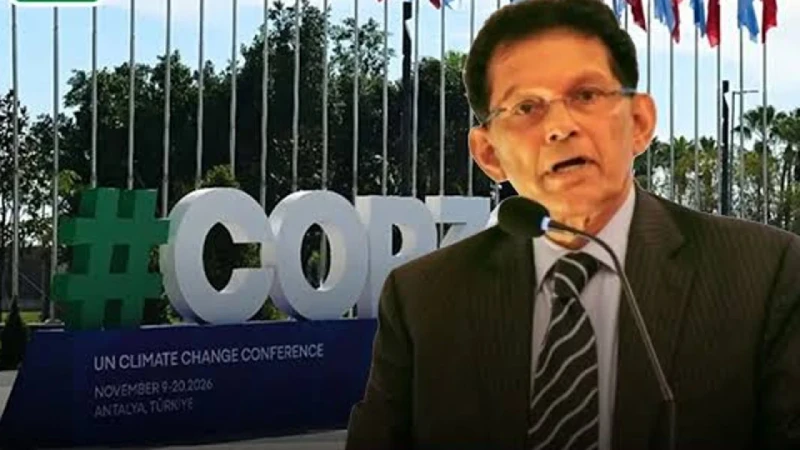
United Nations General Assembly (UNGA) President and Bangladesh Foreign Minister Dr Khalilur Rahman has outlined three key priorities for the COP31 climate conference in Antalya, Turkiye, calling for a faster transition to clean energy, accessible climate finance and stronger protection for vulnerable communities.
In a video message ahead of the international climate summit, Khalilur said countries most vulnerable to climate change were facing increasingly severe consequences, making it urgent to turn longstanding global commitments into concrete action.
Highlighting his first priority, he called for effective implementation of the Paris Agreement through a rapid expansion of clean energy, wider electricity grid connectivity and substantial reductions in greenhouse gas emissions.
More than a decade after the landmark climate accord was adopted, the international community must move beyond pledges and deliver measurable results, he said.
Climate finance was his second priority. He stressed the need for predictable and accessible funding to support climate adaptation, strengthen resilience and address climate-related losses and damage.
He also called for ensuring that financial assistance reaches countries and communities most exposed to climate risks, enabling them to better cope with the growing impacts of climate change.
Protecting human lives was identified as his third priority. Khalilur urged greater investment in early warning systems, disaster preparedness and measures to safeguard vulnerable communities.
Such investments are essential to protect people increasingly exposed to extreme weather events and climate-related disasters, he said.
The UNGA president called for practical outcomes from international climate negotiations that both protect communities and reduce carbon emissions, paving the way for a more climate-resilient future.
Adopted in 2015, the Paris Agreement established a global framework to limit temperature rise, strengthen climate resilience and mobilise financial support for developing countries. However, implementation gaps, insufficient climate financing and increasingly frequent climate-related disasters continue to pose major challenges to achieving its goals.