Play store

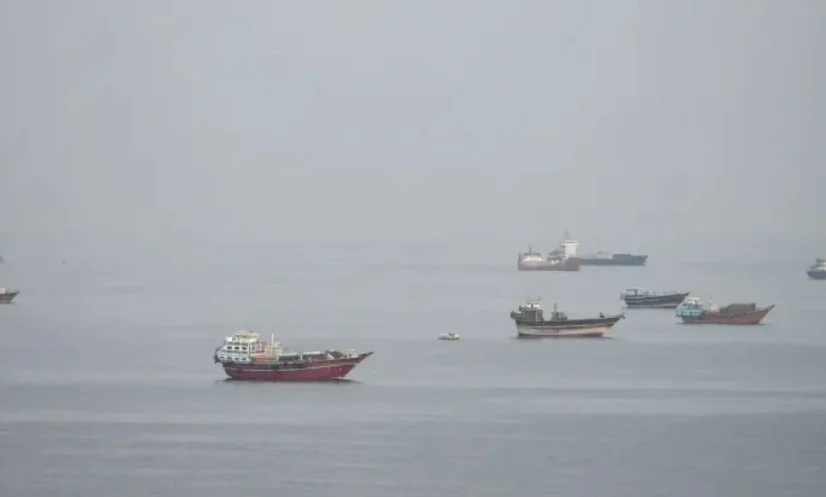
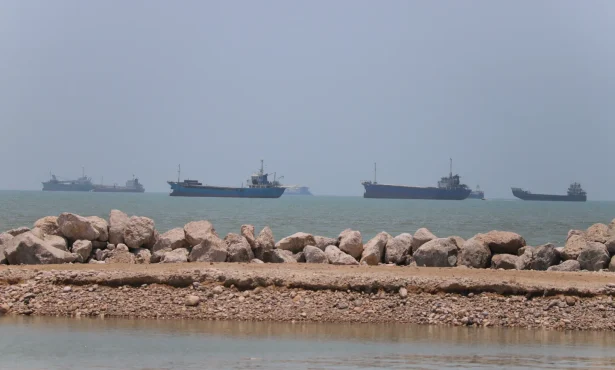
At least 25 seafarers have been killed in and around the Strait of Hormuz since the war between Iran and the United States and Israel began, according to the United Nations.
Khaled Khiari, UN Assistant Secretary-General for the Middle East, Asia and the Pacific, disclosed the figure during a UN Security Council briefing on Friday (November 13). The casualty figures cover the period up to November 11 this year.
Khiari said the security situation in and around the Strait of Hormuz was deteriorating, with October recording the highest number of security-related incidents since the conflict began. He stressed that such a situation could not be accepted as the new normal and called for the full restoration of free and normal maritime navigation in the region.
According to data from the UN’s International Maritime Organization (IMO), 136 maritime security incidents involving vessels were recorded in the Strait of Hormuz and the wider Middle Eastern waters between March 1 and November 11. Of these, 35 occurred in October and 10 in the first 11 days of November.
Khiari said reports of new maritime incidents were emerging almost daily, stressing that civilian and commercial vessels must never be targeted.
Amid the UN warning, Iranian authorities said on Saturday that three oil tankers caught fire after striking mines while sailing through restricted or controlled areas of the Strait of Hormuz.
Iran has said vessels must obtain its approval to transit the strait during the war. The country’s navy has also warned that action would be taken against ships violating its regulations. In a statement broadcast by state broadcaster IRIB, Iran said tankers entering a prohibited area east of the strait would be set ablaze by naval mines.
Meanwhile, the US military has claimed that it has cleared mines from the main shipping route through the Strait of Hormuz, leaving the passage open to commercial vessels.
However, according to the latest report by the United Kingdom Maritime Trade Operations (UKMTO), vessel traffic through the strait has fallen by around 65 percent compared with pre-war levels.
Iranian officials have said the strait will not be fully reopened until the United States meets Tehran’s demands. These include lifting the US naval blockade of Iranian ports, removing economic sanctions, releasing frozen Iranian assets, ending hostilities on all fronts and formally declaring the war over.
The UN assistant secretary-general warned that the current maritime situation in the Middle East had become costly, uncertain and dangerous.
Disruptions to shipping are having adverse effects on the global economy, driving up energy, transportation and insurance costs. This is adding to inflationary pressures, while severe disruptions to fertiliser shipments are threatening global food security. Source: Agency.