Play store

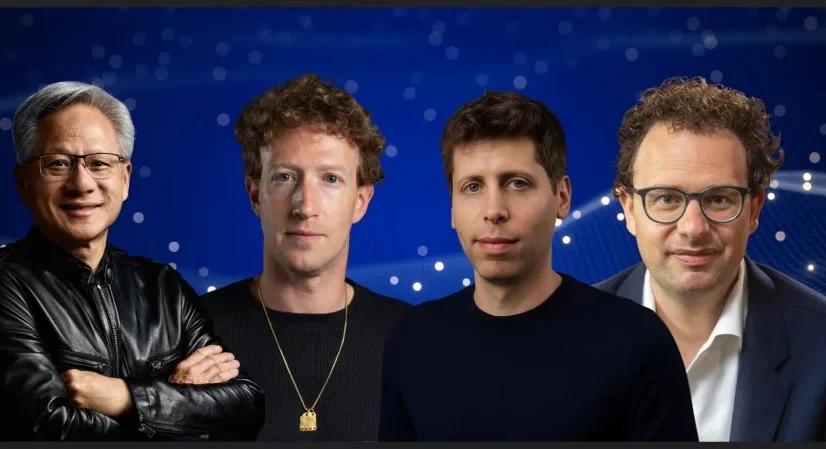
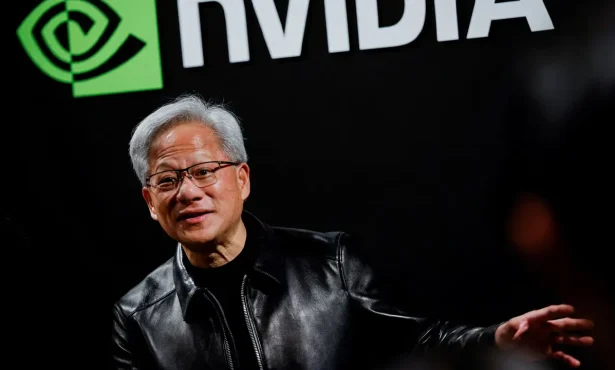
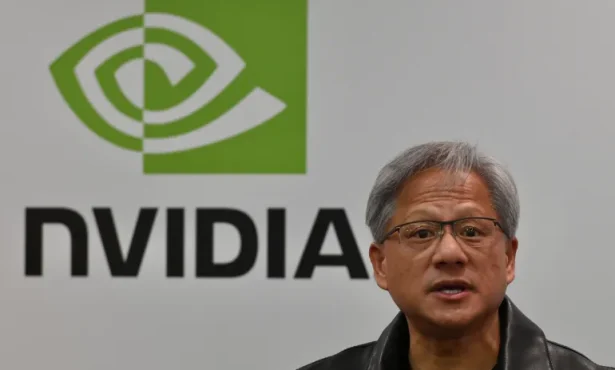
Jensen Huang is more than the public face of Nvidia. As the architect of the chipmaker’s rise to the centre of the artificial intelligence (AI) revolution, he has helped build a technology giant valued at around $4.5 trillion.
From maintaining close ties with the White House and world leaders to sustaining investor confidence on Wall Street, Huang has played a central role in Nvidia’s business strategy and global influence.
But an alleged relationship scandal involving a woman reportedly linked to Chinese intelligence has recently put the Nvidia chief under intense scrutiny, raising concerns across Wall Street, Washington and Silicon Valley.
The controversy has also highlighted a broader vulnerability in the AI industry: the extraordinary dependence of some of the world’s most valuable technology companies on a handful of powerful executives.
The risk of relying on one leader
Known in corporate governance as ‘key person risk’, excessive dependence on a single executive is not limited to Nvidia.
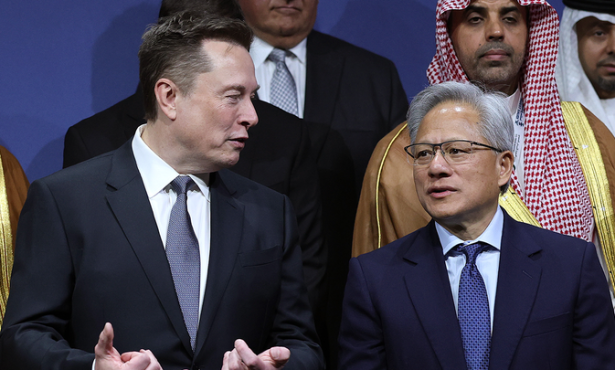
Tesla and SpaceX are closely associated with their billionaire founder Elon Musk, while OpenAI’s public identity is strongly linked to CEO Sam Altman. Meta’s major strategic decisions are closely associated with co-founder Mark Zuckerberg, while Anthropic has increasingly become identified with its co-founder and CEO Dario Amodei.
Dan Ives, senior managing director at Wedbush Securities, told CNN that no industry of such global importance had previously been controlled by such a small group of individuals.
The complexity and specialised nature of AI technology have contributed to this concentration of leadership, creating both advantages and risks for the companies involved.
The ‘solar system’ leadership model
Yale University professor Jeffrey Sonnenfeld has described the phenomenon as a ‘solar system model’ of leadership, in which an entire organisation revolves around one dominant individual.
He argues that although founders may exercise considerable authority, companies need alternative leadership structures and capable successors to ensure continuity.
Nvidia’s board has reportedly identified succession planning as a significant concern, with no clearly established alternative leader capable of replacing Huang in an emergency.
Sonnenfeld expressed surprise at the apparent lack of a succession plan, particularly given Huang’s reported statement that nearly 60 executives report directly to him.
Such a management structure raises questions about corporate governance and the concentration of decision-making authority.
Succession planning becomes critical
Other major companies have taken different approaches to managing leadership risks.
JPMorgan Chase, for example, has developed a strong senior executive team alongside long-serving CEO Jamie Dimon. Its senior executives have attracted recruitment interest from rival financial institutions.
Technology companies, however, often remain heavily dependent on their founders and chief executives.
SpaceX recently warned investors that its business relied substantially on Musk’s continued services and that his inability to perform his role could seriously disrupt management and strategic plans.
Nvidia has also acknowledged the risks of executive dependence in its latest annual financial report, without directly naming Huang. The company warned that inadequate succession planning could affect its long-term success.
The concerns underline a growing challenge for the AI industry: as technology companies expand into increasingly influential global businesses, ensuring that their operations can survive the sudden departure of a single leader is becoming an important test of corporate governance.