Play store

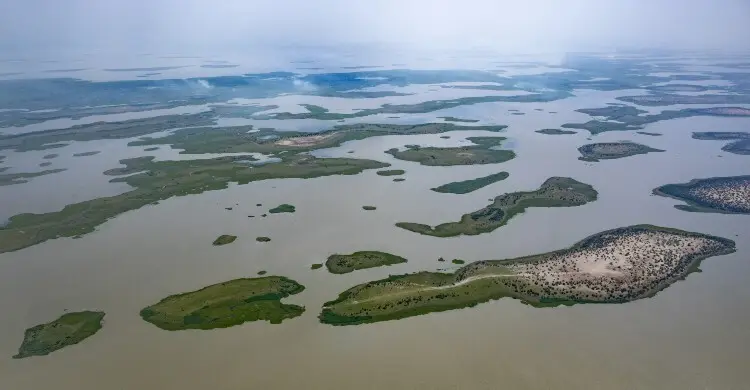
Climate change is making some of Africa’s deserts greener, with major lakes and wetlands across the continent experiencing significant increases in water levels.
One notable example is Lake Chad, which supports millions of people in Chad, Cameroon, Niger and Nigeria. Between the 1960s and the 1990s, prolonged droughts and water diversion for irrigation caused the lake to shrink by as much as 90 per cent. Amid global warming and the expanding Sahara Desert, many feared it could disappear altogether.
But the trend has taken an unexpected turn. Lake Chad now holds significantly more water than it did in previous decades.
A new study by the World Bank and the International Water Management Institute found that the lake’s open-water area more than doubled in the decade following 2012, exceeding 8,300 square kilometres in 2025.
The increase is not limited to Lake Chad. Water levels have also risen significantly in four other major African lakes — Victoria, Malawi, Tanganyika and Turkana. Lake Turkana is the world’s largest permanent desert lake.
Water levels in the Sudd Marshes, Africa’s largest wetland, have also risen so substantially that they may have permanently altered the landscape of South Sudan.
Conditions vary widely across Africa’s 54 countries, and each water body has its own story. However, the unexpected recovery of lakes such as Lake Chad highlights two important aspects of the continent’s climate future.
First, large parts of Africa could become considerably wetter than many had anticipated, particularly those who remember the devastating droughts that struck the Sahel region during the 1970s and 1980s.
Second, the effects of climate change across the continent remain highly uncertain and difficult to predict, perhaps more so than in any other region of the world.
Helping African communities adapt to increasingly extreme and unpredictable climate conditions has therefore become a major priority.
African delegates attending the ongoing COP31 United Nations climate conference in Türkiye are placing particular emphasis on this challenge.
Source: The Economist