Play store

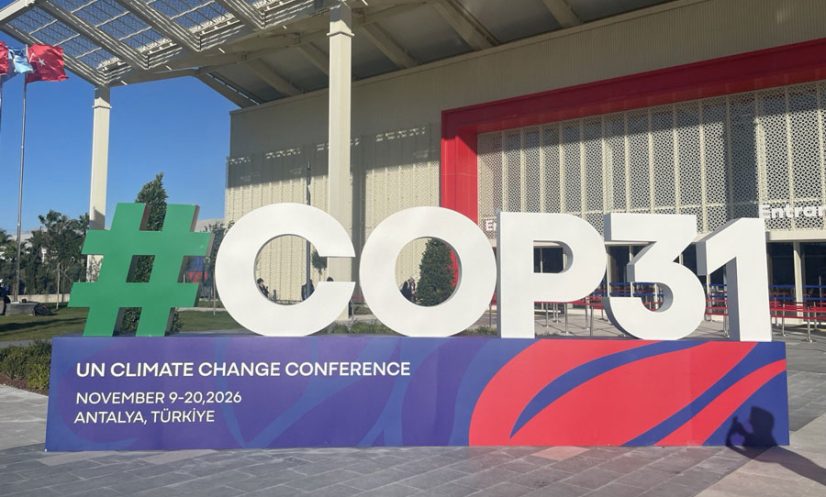
A contentious draft agreement has exposed deep divisions among countries participating in the UN climate conference COP31 in Turkiye, with disagreements over fossil fuel phaseout and emission-cutting commitments threatening to complicate negotiations.
The 18-page draft “cover decision”, published by summit co-host Australia on Monday, includes a range of proposals, including calls for phasing out fossil fuels and urging wealthy nations to achieve net-zero emissions by 2030.
European Union climate envoy Wopke Hoekstra criticised the draft, warning that its current wording could make negotiations “untenable”.
“The cover decision does not go in the right direction and needs significant change,” he said.
Brazil’s Environment Minister Joao Paulo Capobianco, however, said early objections could be overcome through adjustments to the wording.
Australian Climate Minister Chris Bowen, who is leading the negotiations, acknowledged that the draft contained proposals not all countries supported. He said at least one more version of the text could be presented before the end of the week.
The talks are scheduled to conclude on Friday, although climate negotiations often extend beyond their deadline as agreements require consensus among all participating countries. A single country can therefore block a proposed deal.
The draft’s call for wealthy nations to reach net-zero emissions by 2030 and its language on phasing out fossil fuels are likely to face resistance from oil-producing countries.
Antigua and Barbuda’s Environment Minister Michael Joseph said reaching consensus on the proposed net-zero target could be extremely difficult, but expressed support for a commitment to phase out fossil fuels.
An unnamed European official told AFP that emerging economies were seeking to place as many obligations as possible on developed countries, describing the approach as tactical.
The official said such demands were unacceptable, pointing to a group of countries that includes Saudi Arabia and India.
Dispute over IPCC report timeline
A separate dispute involving Saudi Arabia has also emerged over the publication schedule of key reports by the UN’s Intergovernmental Panel on Climate Change (IPCC).
Dozens of European, African and Pacific countries want the panel’s next major assessment reports published before a global review of climate action at COP33 in 2028.
The IPCC publishes comprehensive scientific assessments every five to seven years, providing a basis for understanding global warming and shaping international climate policies.
Its latest meeting was suspended after countries failed to reach agreement on the publication timeline. Another session is scheduled for December to resolve the deadlock.
Ilana Seid, chair of the Alliance of Small Island States, described delays in the publication of the IPCC’s seventh assessment report as “unjustifiable”.
The issue has become a major point of debate at COP31, which is due to end on Friday.
Saudi Arabia’s delegation defended its position on Tuesday, saying the kingdom was not seeking to delay climate science.
It said Saudi Arabia supported publication schedules that allow sufficient scientific review, transparency and meaningful participation, without specifying when it wanted the reports released.