


 Play store

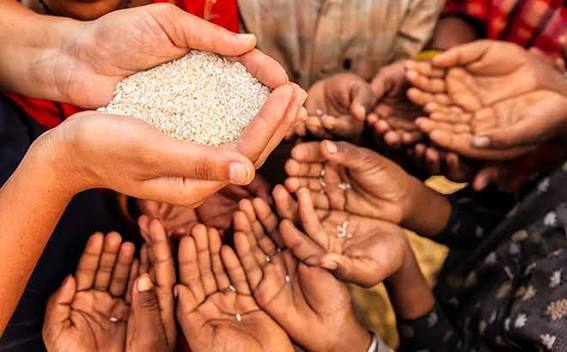
UN food agencies have warned that hunger is likely to worsen over the next six months in 16 mostly African regions, with ongoing conflicts aggravating already severe food crises in countries such as Sudan and Yemen.
Armed conflict and violence remain the main drivers of acute food insecurity worldwide, while extreme weather events, including the El Nino phenomenon, are adding to the crisis, according to a joint report by the Food and Agriculture Organization (FAO) and the World Food Programme (WFP).
The Rome-based agencies identified Sudan, South Sudan, Somalia, northern Nigeria and Yemen as the areas of highest concern in their latest early warning report covering December 2026 to May 2027.
The report said famine remained a “plausible” risk in parts of Sudan, including North Darfur, and South Sudan.
The worsening food crisis comes amid a more than 15 per cent rise in political violence events compared with the same period a year earlier, triggering alarming levels of displacement in recent months, particularly in South Sudan and Yemen.
Humanitarian assistance to the five countries facing the highest risks has fallen by nearly two-thirds between 2022 and 2025, declining from $5.1 billion to $2 billion.
“While conflict, economic shocks, climate extremes and access constraints have remained the primary drivers of these crises, declining humanitarian resources have reduced the capacity to sustain gains and mitigate worsening conditions,” the FAO and WFP said in the report.
The agencies noted that previous humanitarian assistance had helped prevent famine in several areas, but the improvements were fragile and short-lived, with severe food insecurity and famine risks re-emerging within a few years.
Afghanistan, the Democratic Republic of Congo (DRC), Palestine and Haiti were also classified as areas of very high concern.
The DRC is struggling with an Ebola outbreak, while expanding gang violence in Haiti has displaced around 1.5 million people and disrupted humanitarian access.
New additions to the hunger hotspot list include Chad, Uganda, Southern Africa and the Central American Dry Corridor, which stretches from Guatemala to Costa Rica. The latter two regions are particularly vulnerable to the effects of El Nino, which threatens agricultural production.
Mali, Myanmar and Madagascar also feature on the list.
“Targeted humanitarian action is urgently needed to save lives and livelihoods across all hunger hotspots,” the report said, adding that immediate intervention was critical to preventing starvation and loss of life in the highest-risk areas.
El Nino adds to food insecurity
The report also highlighted the growing threat from El Nino, a natural ocean-warming phenomenon that disrupts global weather patterns and can trigger severe droughts and intense storms.
An estimated 49 million additional people could face acute food insecurity by the end of 2027 due to the particularly intense El Nino expected to persist through next spring.
Rainfall shortages and higher temperatures associated with the phenomenon have already contributed to crop losses in the Central American Dry Corridor and Eastern Africa, while threatening the upcoming agricultural season in Southern Africa.
Meanwhile, above-average rainfall through December is expected to increase flood risks in parts of Eastern Africa.
In the Gaza Strip, winter rains and localised flooding could further worsen conditions for displaced families by damaging inadequate shelters and disrupting essential services and humanitarian operations.
The agencies said anticipatory measures, including climate-resilient seeds, better protection of livestock and water supplies, and timely humanitarian assistance, could help reduce the impact.
However, a joint FAO-WFP action plan is facing a funding shortfall of $125 million, the report added.