


 Play store

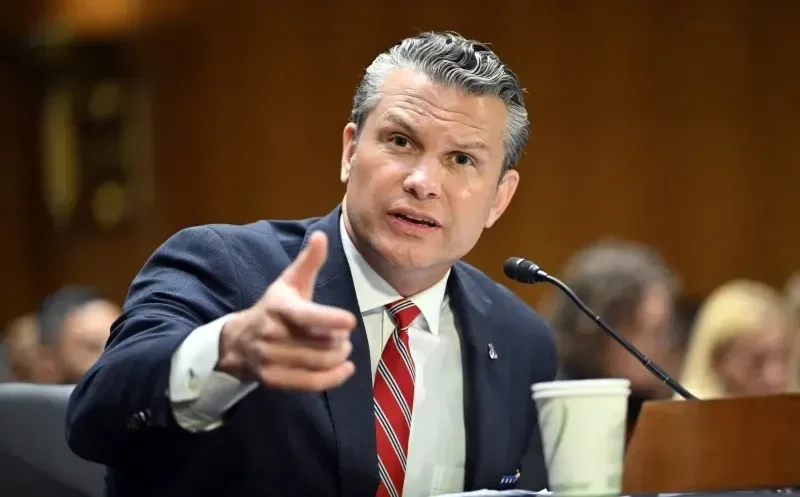
The United States has spent $37.5 billion on its ongoing war against Iran, U.S. Defense Secretary Pete Hegseth told lawmakers during a congressional hearing in Washington on Tuesday.
Appearing before Congress for the first time since the resumption of heavy bombing campaigns, Hegseth requested emergency funding to sustain military operations. According to Reuters, the conflict is becoming a growing political issue ahead of next year’s U.S. midterm elections, with President Donald Trump’s Republican Party facing a tough battle to retain its congressional majorities.
Democrats, who currently lead in several public opinion polls, are attempting to link the costly and unpopular war to rising inflation and the increasing cost of living.
Hegseth said the $37.5 billion figure includes both money already spent and projected costs through September 30, although the Pentagon has not explained how the estimate was calculated. Earlier, Reuters reported, citing a source in March, that the Trump administration estimated the war’s first six days alone had cost at least $11.3 billion.
Trump Requests Additional $90 Billion
Last month, President Trump asked Congress to approve nearly $90 billion in additional funding, with the majority earmarked for the Iran war. The request is expected to intensify political tensions with lawmakers who are increasingly critical of the conflict.
Since the United States and Israel launched military operations against Iran on February 28, members of both the Republican and Democratic parties have accused the Trump administration of failing to keep Congress adequately informed about the war’s progress and future strategy.
At the Senate Appropriations Committee hearing, senior Democratic Senator Patty Murray warned that President Trump was threatening to escalate the conflict and making statements that could amount to war crimes under international law. She cautioned that the conflict could become “another endless war.”
Critics have also accused Trump of repeatedly threatening to target Iran’s civilian infrastructure, actions that could violate international humanitarian law.
Democratic Senator Kirsten Gillibrand said the public had grown frustrated with the administration’s inconsistent messaging, citing repeated changes in its statements about whether the war was ending, its expected duration, and Iran’s missile capabilities.
Military Readiness at Risk Without Funding
Hegseth warned that without emergency funding, the U.S. military would be forced to scale back training exercises. He said the ongoing conflict is placing significant strain on the Pentagon’s nearly $1 trillion defense budget and could affect military personnel benefits and operational readiness.
Chairman of the Joint Chiefs of Staff General Dan Caine said that while service members’ salaries and benefits could still be paid, maintenance spending and investments in future military capabilities would likely be affected.
Hegseth also urged Congress to approve a $1.5 trillion defense budget for fiscal year 2027, arguing that failing to provide that level of funding would pose “the greatest threat” to U.S. national security.