Play store

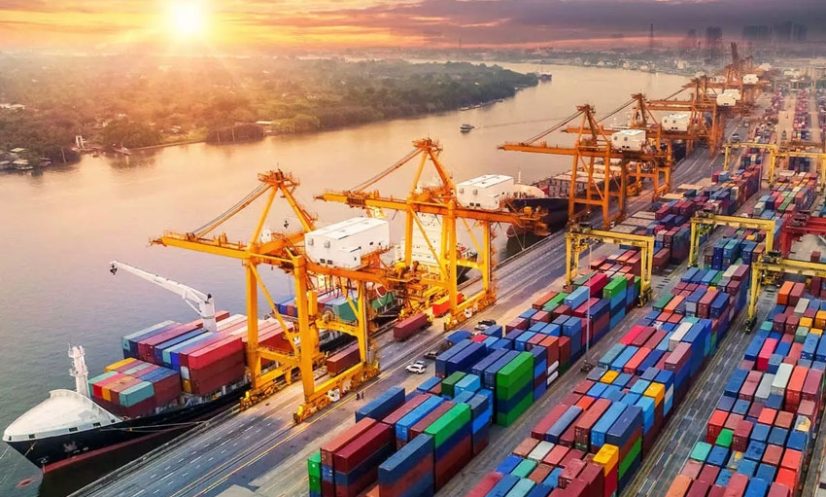
Bangladesh has been placed in the lowest tariff bracket under the United States’ new tariff regime, with exports to the US now subject to a 10% tariff, the Ministry of Foreign Affairs said on Friday.
In a statement, the ministry said the new tariff, effective from 12:01 a.m. Washington, D.C. time on July 24, is part of a decision by the US government under Section 301 of the Trade Act of 1974 following an investigation into allegations of forced labour.
The United States announced new tariffs on 60 economies from 86 countries on Thursday, replacing the temporary 10% global tariff system. Under the revised structure, tariff rates range from 10% to 12.5%.
For Bangladesh, all exports to the US will face a 10% tariff, which will be imposed in addition to the existing Most Favoured Nation (MFN) duty rate.
According to the government, Bangladesh is among only 17 countries placed in the lowest 10% tariff category, helping preserve its competitive position in the US market for readymade garments and other export products.
The ministry noted that several of Bangladesh’s key competitors in the apparel sector, including China, Vietnam and Thailand, have been subjected to the maximum 12.5% tariff, potentially giving Bangladeshi exporters a relative advantage in the US market.
The government also said the Office of the United States Trade Representative (USTR) is considering introducing a three-year tariff-rate quota (TRQ) programme for Bangladesh, Cambodia, Indonesia and Malaysia.
If implemented, the scheme would allow products manufactured using US cotton and textile inputs in those countries to qualify for exemptions from Section 301 tariffs.
The government expressed hope that the proposed arrangement would further strengthen the competitiveness of Bangladesh’s apparel and other export sectors in the US market and support export growth.
It also reaffirmed Bangladesh’s commitment to maintaining international labour standards, ensuring compliance in the export sector and working closely with international partners to promote sustainable trade.