


 Play store

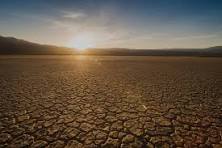
Climate change could trigger a sharp rise in heat-related deaths while deepening global inequality, with poorer countries bearing the heaviest burden, according to a new report.
The study projects that rising temperatures may cause an additional 430,000 deaths annually by 2050, with low-income countries facing up to ten times more fatalities than wealthier nations. A key factor behind this disparity is unequal access not just to electricity, but to the ability to use it for cooling.
Researchers highlight Bangladesh as a striking example of this gap. Although nearly the entire population has access to electricity, usage remains low in the most heat-affected regions, limiting the ability to adopt life-saving cooling technologies like air conditioning.
“Electricity access and electricity use are not the same,” said Ashwin Rode of the University of Chicago’s Energy Policy Institute. “Having a connection doesn’t mean people can afford or actually use enough power to stay safe from extreme heat.”
The report underscores that air conditioning is a critical tool for survival in a warming world. While wealthier nations are expected to see widespread adoption of cooling systems, many poorer countries lack the economic capacity and energy infrastructure to follow suit.
As a result, electricity use for cooling is projected to grow seven times faster in middle-income countries than in low-income nations. In the poorest regions, the increase in electricity use per person may be so minimal it would only power a single LED bulb for a few months.
The study identifies 18 countries—home to around 676 million people—trapped in a dangerous cycle of extreme heat and limited cooling capacity. By 2050, about 377,000 annual deaths are expected in these areas alone, primarily in sub-Saharan Africa and parts of South Asia, including Bangladesh, Pakistan, Nepal and Myanmar.
In contrast, wealthier but equally hot regions, such as Gulf countries, are expected to experience far fewer deaths due to significantly higher electricity consumption for cooling.
Experts warn that urgent action is needed to expand affordable and reliable energy access, improve healthcare systems, and implement heat adaptation strategies such as early warning systems and social protection programs.
The report calls for global efforts to prioritise climate adaptation alongside emissions reduction, stressing that without immediate intervention, climate change will continue to disproportionately threaten the lives of the world’s poorest populations.