Play store

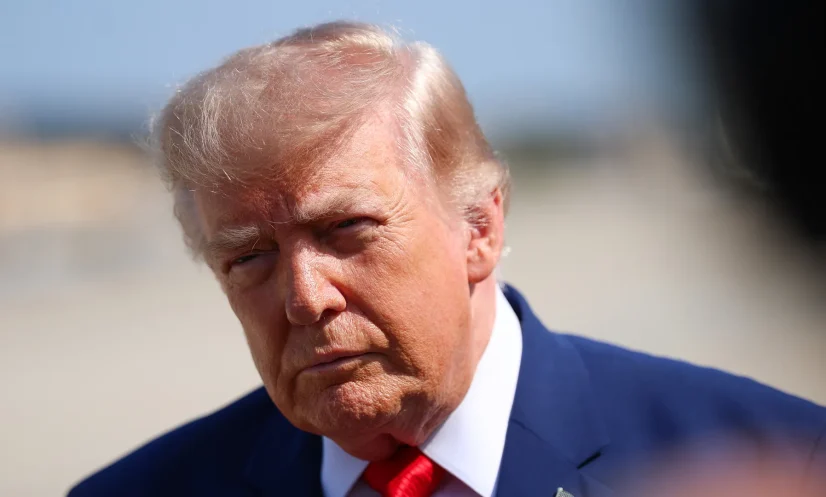
US President Donald Trump expressed optimism on Monday about the prospects of a negotiated peace deal with Iran, even as both sides maintained a third straight day without direct military strikes.
Speaking aboard Air Force One, Trump said there was “a good chance” diplomacy could succeed in ending the conflict that began in late February following a wave of US-Israeli strikes.
“I have a lot of patience… We’ll see what happens,” Trump said. “I think there is a good chance that something could happen.”
However, Iran denied that negotiations with Washington were underway. Foreign Ministry spokesman Esmaeil Baqaei said mediators might be conveying messages from the US, but Tehran was not engaged in direct talks.
Trump later told supporters in Michigan that Iran was “talking to us about making a deal,” while warning that military operations could resume if diplomatic efforts failed.
The US president also dismissed concerns over dwindling US ammunition stockpiles, saying the country had more than enough supplies.
Despite the lull in fighting, regional tensions remained high. Saudi Arabia said it intercepted several drones launched by Iran-linked groups in Iraq targeting oil facilities. No group claimed responsibility, while Iraq announced an investigation into the allegations.
Pakistan condemned the drone attacks, warning they posed a serious threat to regional peace and stability. Meanwhile, Yemen’s Iran-backed Houthi rebels claimed responsibility for separate drone strikes on Saudi oil infrastructure.
The Israeli military also reported intercepting two drones near the Jordanian border and said it was investigating their origin.
Global financial markets responded positively to the pause in hostilities, with stock markets rising and Brent crude oil prices falling about six percent to around $86 a barrel.
A key obstacle to any lasting agreement remains the Strait of Hormuz, where Iran insists on maintaining control of the strategic oil shipping route. Tehran said it has been coordinating with Oman on measures to ensure safe maritime passage, while Washington continues to oppose proposals that could affect international shipping through the waterway.