Play store

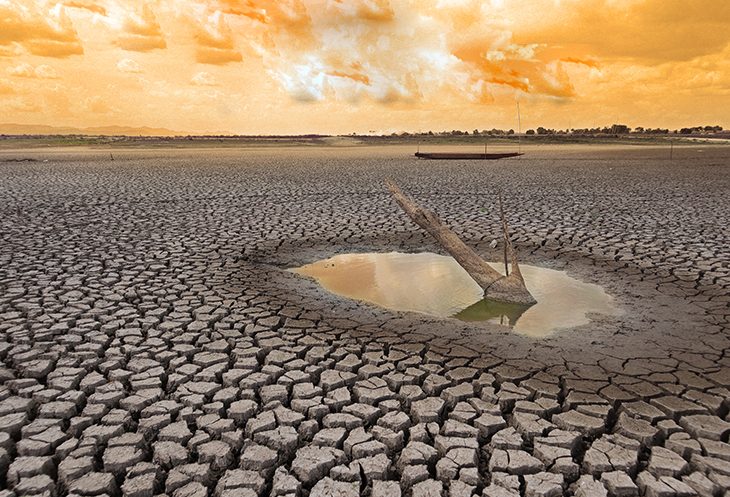
The United Nations’ weather and climate agency has warned that El Nino is expected to rapidly strengthen into a strong climate event between July and September, raising the risk of extreme weather across many parts of the world.
The World Meteorological Organization (WMO) said on Friday that El Nino conditions have already developed in the tropical Pacific and are forecast to intensify rapidly over the coming months.
El Nino is a natural climate pattern that warms sea surface temperatures in the central and eastern equatorial Pacific Ocean, altering global wind, rainfall and pressure patterns. It typically occurs every two to seven years and lasts between nine and 12 months.
According to the WMO’s latest Global Seasonal Climate Update, El Nino is expected to strengthen into a “strong” event during the July-September period, the third-highest category on the agency’s four-level intensity scale.
“El Nino conditions have developed in the tropical Pacific and are forecast to strengthen rapidly over the coming months, increasing the likelihood of extreme weather events in many parts of the world,” the WMO said.
The agency said forecasts from leading global climate centres consistently indicate significant warming of ocean temperatures across the central and eastern equatorial Pacific, with sea surface temperature anomalies expected to exceed 2 degrees Celsius in key monitoring regions.
WMO Secretary-General Celeste Saulo warned that the strengthening El Nino would increase the chances of drought, heavy rainfall, heatwaves and marine heatwaves in many regions. “This will intensify the chances of drought and heavy rainfall and the risk of heatwaves on land and marine heatwaves in many regions,” Saulo said.
The WMO said it is expanding early warning support to help countries prepare, particularly in climate-sensitive sectors such as agriculture and public health.
The latest outlook also indicates a high probability of above-average temperatures across most populated land areas between 60 degrees south and 60 degrees north during July to September.
Rainfall patterns are also expected to shift, with above-normal rainfall forecast for parts of the southwestern United States, while below-normal rainfall is likely across the Indian subcontinent and much of Australia.
The WMO said there is no evidence that climate change increases the frequency or intensity of El Nino events, but warned that global warming can amplify their impacts by providing more energy and moisture for extreme weather such as heatwaves and heavy rainfall.