Play store

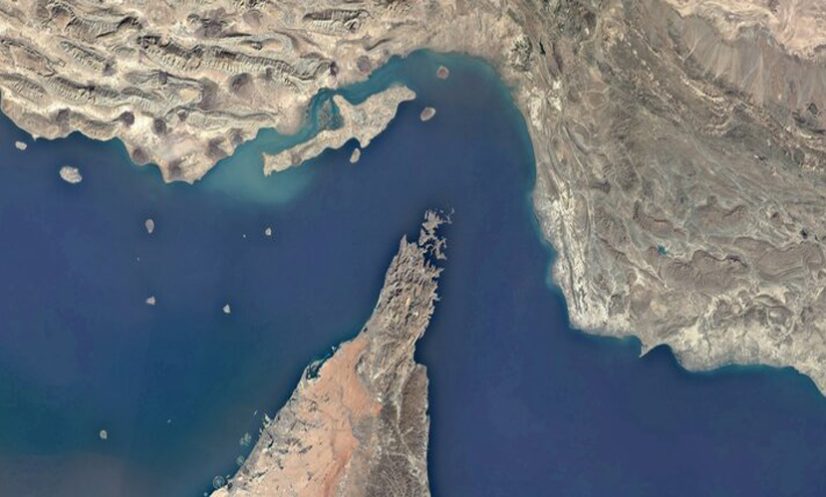
Diplomatic efforts to ease tensions between the United States and Iran have entered what Qatari officials described as a “very progressive” stage, with draft proposals for a possible agreement now being circulated through mediators, although direct negotiations between Washington and Tehran have yet to begin.
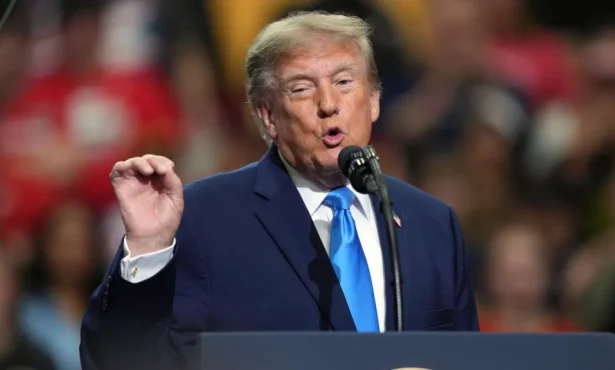
Qatar said Emir Sheikh Tamim bin Hamad Al Thani discussed ways to bridge differences between the two sides during a phone call with US President Donald Trump. Trump later said the United States was having “very good discussions” with Iran and expressed optimism that the strategically vital Strait of Hormuz could reopen soon, while warning of a strong response if diplomacy fails.
US Secretary of State Marco Rubio said progress had been made but stressed that no final agreement had been reached. US Treasury Secretary Scott Bessent also suggested a breakthrough could come within days, as negotiations continue over temporary arrangements for shipping through the Strait of Hormuz.
According to reports, Iran and Oman are discussing an interim arrangement lasting up to three months that would regulate maritime traffic through the strategic waterway while broader negotiations continue. However, shipping analysts remain cautious, citing ongoing security risks after a cargo vessel reportedly lost power following an earlier projectile strike in the strait.
Meanwhile, concerns are mounting in Washington over dwindling missile defence stocks. US military commanders have warned that nearly 80% of interceptors for a key missile defence system have been used, leaving the Pentagon’s inventory at what officials described as a dangerously low level.
The wider regional security situation also remains fragile. Indian authorities said an Indian-flagged cargo vessel was struck and sunk off Yemen’s coast, amid continuing threats by the Iran-backed Houthi movement to disrupt commercial shipping in the Red Sea.