


 Play store

The International Criminal Court (ICC) is facing one of the most serious challenges in its history as the Trump administration steps up efforts to undermine the court, pressure its member states and restrict cooperation with its investigations.
US Secretary of State Marco Rubio has pledged to “dismantle” the ICC, with the administration seeking to persuade countries to withdraw from the court while threatening sanctions, travel bans, visa restrictions and increased scrutiny against states that continue to support it.
The campaign has raised concerns among human rights advocates that political pressure from powerful governments could weaken one of the few international institutions designed to hold individuals accountable for the gravest crimes.
Established in 2002 after years of advocacy by civil society groups, the ICC prosecutes individuals accused of genocide, crimes against humanity and war crimes when national courts are unable or unwilling to act. Unlike many domestic systems, the court does not recognise immunity for national leaders.
The court, based in The Hague, has secured convictions involving warlords from countries including the Democratic Republic of the Congo and Mali. It is also handling cases involving senior political figures, including former Philippine President Rodrigo Duterte, who faces crimes against humanity charges.
The ICC currently has 125 member states. The United States, however, is not among them, along with several other major powers including China, India, Israel and Russia.
Washington’s opposition to the ICC intensified in 2020 after prosecutors opened an investigation into alleged war crimes and crimes against humanity in Afghanistan, including alleged offences involving US forces.
The Trump administration has since expanded its campaign against the court. In his second presidency, Trump issued an executive order declaring a national emergency over what his administration described as threats posed by the ICC to the United States and Israel. The order authorised sanctions against individuals involved in the court’s investigations.
The administration subsequently sanctioned several ICC officials and judges. It also imposed sanctions on Francesca Albanese, the UN special rapporteur on the situation of human rights in the Occupied Palestinian Territory.
The pressure has raised concerns among US-based civil society organisations that cooperation with the ICC could expose them to legal or financial retaliation. Two US organisations withdrew from an annual ICC meeting last year, while other groups have challenged the administration’s sanctions in court, arguing that they violate constitutional protections for free speech.
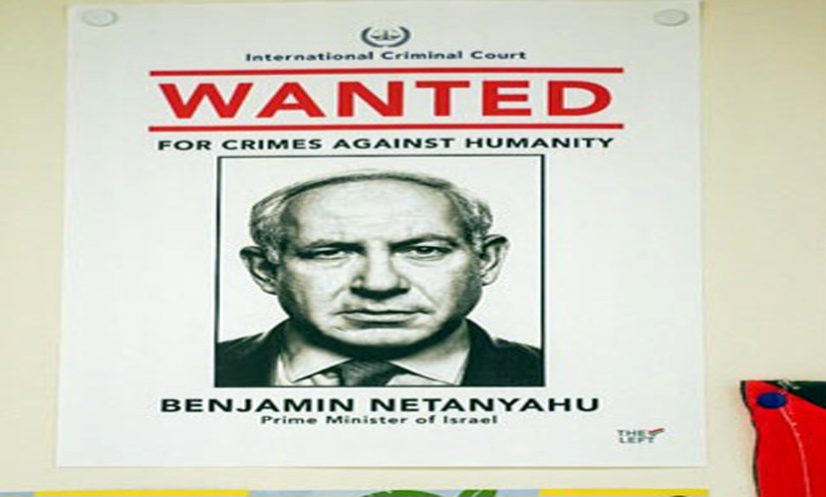
The dispute has also intensified over Israel. In November 2024, the ICC issued arrest warrants for Israeli Prime Minister Benjamin Netanyahu and then-defence minister Yoav Gallant over alleged crimes against humanity and war crimes in Gaza. The court also issued a warrant for Hamas commander Mohammed Deif, who Israel later said had been killed.
Israel does not recognise the ICC, but Palestine is a member of the court, giving the ICC jurisdiction over alleged crimes committed in Palestinian territory.
The issue could return to the international spotlight when Netanyahu is expected to travel to New York for the UN General Assembly in September. New York Mayor Zohran Mamdani has called for his arrest, while the Trump administration has indicated that it will not enforce the ICC warrant.
The campaign against the ICC comes amid a wider retreat by Washington from parts of the international system, with the Trump administration withdrawing from or reducing support for several international institutions while seeking greater control over others.
The pressure is not limited to the United States. Burkina Faso, Mali and Niger, all governed by military regimes, have begun the process of withdrawing from the ICC. Venezuela has also moved to leave the Rome Statute, the treaty that establishes the court’s jurisdiction.
Human rights organisations warn that such withdrawals could leave victims of abuses with fewer avenues for international justice.
At the same time, several governments have reaffirmed their support for the ICC. The European Union has said it remains firmly behind the court, while Hungary reversed an earlier decision to withdraw after a change of government.
The ICC is confronting the external pressure at a particularly sensitive moment internally. Member states voted on July 24 to remove chief prosecutor Karim Khan following disciplinary proceedings triggered by a sexual abuse complaint from a former staff member. The court now faces the task of selecting a successor capable of maintaining its independence and credibility.
For its supporters, the central issue is larger than the ICC itself. The court was created on the principle that individuals responsible for the world’s most serious crimes should not be able to escape justice simply because they hold political or military power.
Its critics argue that the court has been selective and politically vulnerable. But advocates say weakening it because powerful states object to investigations would undermine the very principle on which international criminal justice rests.
As US pressure intensifies and more countries reconsider their membership, the future of the ICC may depend on whether its member states are willing to defend its independence and uphold the principle that no one, regardless of political power, is above the law. Source: IPS