


 Play store

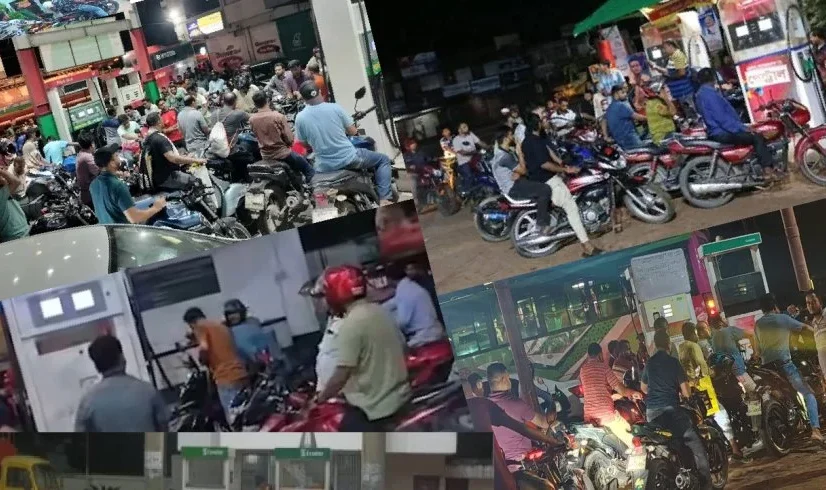
Motorists rushed to filling stations across Bangladesh on Sunday night to buy fuel at the old prices before a Tk20-per-litre increase took effect at midnight.
Long queues of motorcycles, private cars and other vehicles were reported at filling stations in Kushtia, Sirajganj, Rangpur, Khulna, Sylhet, Cox’s Bazar and Magura. Videos and posts showing the queues also drew widespread attention on social media.
The Energy and Mineral Resources Division raised the prices of all four major petroleum products by Tk20 per litre in a notification issued on Sunday. The new rates took effect from 12:00am on Monday, September 21. Diesel now costs Tk135 per litre, up from Tk115; kerosene Tk155, up from Tk135; octane Tk165, up from Tk145; and petrol Tk160, up from Tk140.
Many motorists went to filling stations before midnight hoping to refuel at the previous rates. Local reports said some stations limited sales before the new prices took effect, while others began selling at the revised rates after midnight.
At Messrs Park Filling Station in the Kazipur intersection area of Sirajganj, more than 100 motorcycles were reportedly waiting in line for fuel. Some customers left without buying fuel after waiting for a long time.
Similar crowds were reported at several filling stations in Kushtia. Some motorists said the higher fuel prices could raise transport costs and put additional pressure on the prices of everyday goods.
In Magura, motorists and other customers were also seen waiting in long queues at several stations as they tried to secure fuel before the price hike.
In Chakaria of Cox’s Bazar, motorcycles and other vehicles gathered at filling stations during the night. One motorcycle rider said the Tk20 increase per litre would raise his daily commuting costs, prompting him to refuel before the new rates came into effect.
Another rider said household and transport expenses were already high compared with income and that the fuel-price increase would add to the financial pressure.
A filling-station employee said customer traffic increased noticeably after news of the price hike spread, with more motorcycles and other vehicles arriving than during normal hours.
Why fuel prices were raised
The government said the latest adjustment was driven by higher international fuel prices and transportation costs amid the ongoing conflict in West Asia. It also cited mounting losses incurred by Bangladesh Petroleum Corporation (BPC) and the risk of cross-border fuel smuggling.
According to the Energy and Mineral Resources Division, BPC incurred losses of about Tk22,875 crore between March and August. At current international prices, BPC is losing about Tk89 on every litre of diesel, or around Tk109 crore a day, according to government figures.
The government had kept fuel prices unchanged throughout September at Tk115 for diesel, Tk135 for kerosene, Tk145 for octane and Tk140 for petrol. The latest increase therefore marks a significant adjustment after several months of relatively stable retail prices.
Wider economic impact
Diesel is particularly important to Bangladesh’s economy, accounting for about 64 percent of total petroleum consumption. Transport is its largest area of use, followed by agriculture, power generation and industry. Higher diesel prices could therefore raise the costs of passenger and freight transport, irrigation and industrial operations, potentially feeding into prices of goods and services.
The government estimates that the Tk20-per-litre increase could reduce BPC’s annual losses by around Tk10,000 crore. It has also cited price differences with neighbouring countries and the resulting risk of fuel smuggling as a reason for the adjustment.
With the new rates now in effect, the impact on transport fares, freight costs, agricultural operations and broader consumer prices is likely to remain under close watch.