Play store

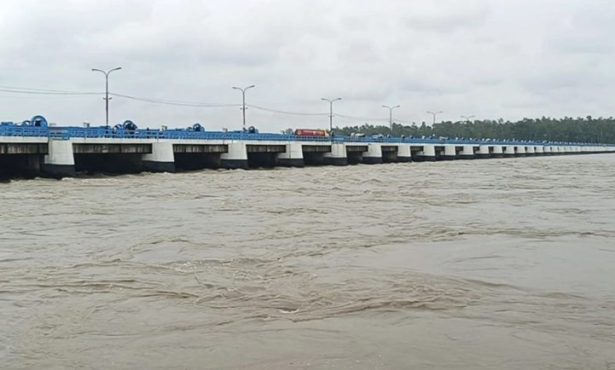
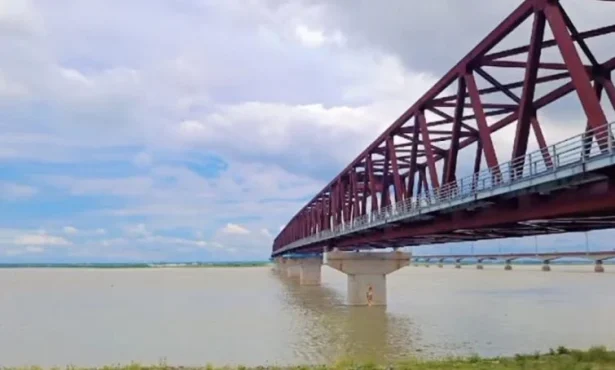
RANGPUR: Water levels in the Teesta River in northern Bangladesh continue to rise, with parts of Nilphamari, Lalmonirhat, Rangpur, Kurigram and Gaibandha districts potentially reaching the warning level within the next 24 to 48 hours, raising the risk of temporary flooding in some low-lying areas along the river.
The Flood Forecasting and Warning Centre issued the forecast on Friday (September 25) night based on rainfall, river conditions and forecasts.
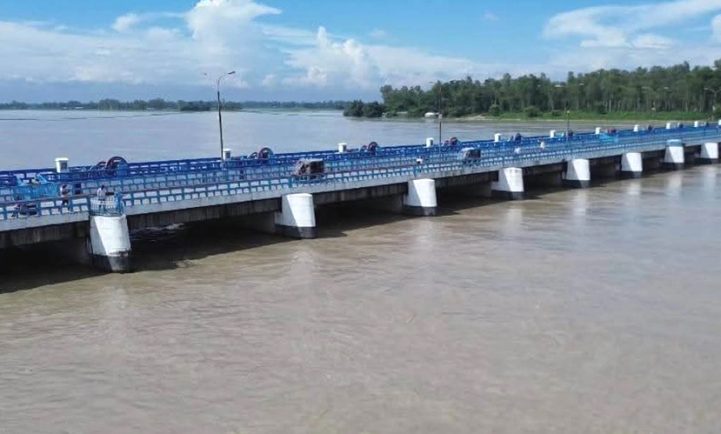
At the Teesta Barrage at Dalia Point in Hatibandha upazila of Lalmonirhat, the water level was recorded at 52.11 metres at 6pm on Friday—just 4 centimetres below the danger level of 52.15 metres.
Sunil Kumar, executive engineer of the Water Development Board’s Lalmonirhat office, said the river was rising due to rainfall and upstream water flows. He warned that the water level could continue to rise over the next 24 to 48 hours, increasing the risk of flooding in low-lying areas.
Heavy rainfall in India’s Jalpaiguri has caused the Teesta to rise rapidly, while water has reportedly been released in phases from the Gajoldoba Barrage. At 6am on Friday, 2,768 cubic metres per second (cumecs) of water was released from the Kalijhora Barrage and 2,375 cumecs from the Gajoldoba Barrage.
According to the centre’s forecast, the Teesta’s water level rose over the past 24 hours. The levels of the Dharla and Dudhkumar rivers remained stable but may rise over the next two days before falling on the third day.
Meanwhile, all major rivers in the country are currently flowing below their danger levels.
A land-based deep depression over southern Odisha and adjoining northern Andhra Pradesh has weakened into a land depression over Odisha and neighbouring areas. It is expected to move north-northwestward and weaken further.
Weather agencies forecast moderate to heavy rainfall in northern and southwestern Bangladesh and adjoining upstream areas over the next day. Moderate to moderately heavy rainfall is also expected across the country and adjoining upstream areas over the following two days.
The Brahmaputra’s water level fell over the past 24 hours, while the Jamuna remained stable. Both rivers may see declining water levels over the next five days.
Water levels in the Ganges and Padma also fell over the past 24 hours. The Ganges is expected to fall for two days before rising over the following three days, while the Padma may fall for two days and then remain stable for three days.
In the northeast, water levels in the Surma and Kushiyara rivers declined over the past 24 hours and are expected to continue falling for the next three days.
Abdur Rashid, a resident of Char Ichli in Gangachara, Rangpur, said there had been no major prolonged flooding this year so far. However, he expressed concern over the rapid rise in the river, saying a major flood could cause severe hardship for people living along its banks.
The Teesta basin has historically experienced major flooding toward the end of September, raising concerns among communities living along the river that the pattern could recur this year.