


 Play store

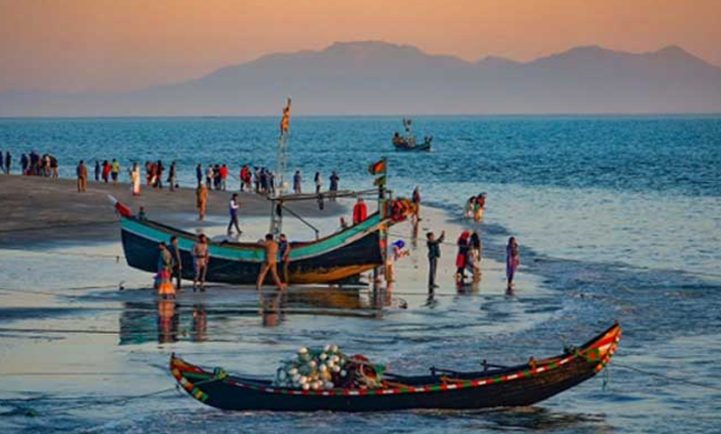
Tourism brings nature, culture, history and human connections together, making travel an important driver of the global economy, employment, local development and cultural exchange.
World Tourism Day is being observed worldwide on Sunday, September 27, under the initiative of UN Tourism. The day has been observed annually since 1980 to commemorate the adoption of the statutes of the then World Tourism Organisation on September 27, 1970.
The theme of World Tourism Day 2026 is “Digital Agenda and Artificial Intelligence to Redesign Tourism.”
In a message, UN Secretary-General António Guterres said artificial intelligence was changing how tourists choose destinations, how the tourism industry operates and how travel experiences are created.
He also called for ensuring that technological development does not concentrate tourism in a few popular destinations and platforms, stressing the need to involve local communities, tourism workers and emerging destinations in the digital transformation.
Tourism has become one of the world’s major economic activities.
According to the latest research by the World Travel & Tourism Council (WTTC), the travel and tourism sector contributed about $11.6 trillion to the global economy in 2025, equivalent to 9.8 per cent of global GDP.
The sector supported around 366 million jobs worldwide that year, meaning roughly one in every nine jobs was linked to tourism.
The WTTC forecasts that tourism’s contribution to the global economy could reach about $12 trillion in 2026, supporting around 376 million jobs.
Bangladesh has considerable tourism potential, with Cox’s Bazar, the Sundarbans, the hills of the Chittagong Hill Tracts, tea gardens in Sylhet, haors, rivers, chars, archaeological sites and historic mosques and temples.
The country also has opportunities to develop tourism around food, rural life, culture, history and local communities rather than relying primarily on established destinations such as Cox’s Bazar, the Sundarbans and Saint Martin’s Island.
The Bangladesh Tourism Board publishes information on foreign tourist arrivals, community-based tourism, tourism plans and reports, including its annual report for the 2024-25 fiscal year.
Despite the potential, Bangladesh needs better infrastructure and services to turn tourism into a stronger economic sector.
Improved transport, accommodation, cleanliness, trained tourism professionals, reliable information services, digital marketing and effective destination management are among the key requirements.
For international visitors, access to information on transport, accommodation, costs, security, healthcare and attractions, as well as online access to tourism services, can significantly influence their travel decisions.
Rapid growth in tourism can also increase pressure on the environment. Excessive tourist numbers, plastic waste, unplanned construction, hill cutting and damage to forests, biodiversity, rivers and marine ecosystems can undermine the long-term appeal of tourist destinations.
Sustainable tourism is therefore gaining increasing attention globally. The United Nations considers tourism an important means of advancing the Sustainable Development Goals, particularly through employment, local economic development and greater participation of women and young people in economic activities.
A tourism destination’s value extends beyond its natural attractions to include local people, culture, food, traditions and lifestyles.
Community-based tourism is becoming increasingly popular worldwide, with the Bangladesh Tourism Board also publishing guidelines and information on the concept.
With proper planning, spending by visitors to remote areas can benefit local transport operators, restaurants, guides, accommodation providers, artisans and other service providers, turning tourism into a driver of local economies.
President Mirza Fakhrul Islam Alamgir said the government was working on an integrated National Tourism Master Plan covering 1,498 tourism attractions across Bangladesh.
In a message marking World Tourism Day 2026, he said the government was committed to developing tourism in a long-term, sustainable and planned manner.
He said initiatives had been taken to create tourism facilities based on local heritage and culture, taking into account the tourism potential of individual districts.
The president said Bangladesh, blessed with abundant natural beauty, had significant potential in tourism. He also highlighted plans to update the national tourism policy, establish a modern tourism training institute and promote eco-tourism and community tourism.
He said the government’s ongoing initiatives in information technology could accelerate the digital transformation of tourism, while online booking, digital payments and AI-based information services could make Bangladesh’s destinations more accessible, safe and attractive.
Prime Minister Tarique Rahman said developing Bangladesh’s tourism industry into a modern, technology-driven, environmentally friendly and world-class sector was among the government’s development priorities.
“Tourism is not merely an opportunity for recreation; it is also an important means of creating employment, earning foreign exchange, developing local economies and showcasing our history, heritage, culture and natural beauty to the world,” he said in a message.
He said the government was working on a National Tourism Master Plan, modernising relevant laws and policies and carrying out structural reforms in tourism management to develop the sector as a modern and land-efficient service industry.
These initiatives, he said, would enable the tourism sector to contribute to the national goal of building a trillion-dollar economy by 2034, while digital connectivity would create new opportunities for women, young people and small entrepreneurs.