


 Play store

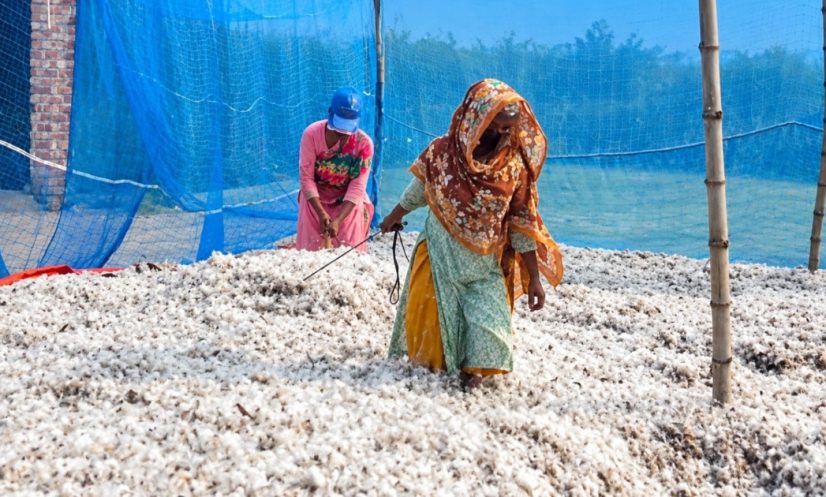
Discarded duck feathers have become an emerging export product in Joypurhat, with a processing factory collecting and treating feathers from across Bangladesh before shipping them to China, Vietnam, Taiwan and India.
The feathers are used abroad to manufacture jackets, blankets, sheets, pillows, shipboard sofa cushions, badminton shuttlecocks and other products, creating employment opportunities for underprivileged women and unemployed youths.
The initiative was launched by entrepreneur Altab Hossain, originally from Sherpur, who began experimenting with duck feathers on a small scale in 2014. After failing to achieve success initially, he moved to China in 2015, where he completed his bachelor’s and master’s degrees and worked for a feather-processing company for a year.
In 2022, he returned to Bangladesh with modern machinery from China and established a processing factory named Sarabangla Down Product at Tilakpur Bazar in Akkelpur upazila of Joypurhat, investing around Tk4–5 crore.
The factory collects 25–30 tonnes of feathers every month from different parts of the country. The feathers are first dried in the sun, sorted and then processed using specialised machinery before being exported.
Factory manager said 16 workers were employed at the facility. Smaller feathers are used to make jackets, blankets, pillows and winter clothing, while wing feathers are used to produce badminton shuttlecocks.
For local workers, the initiative has provided a source of income and helped support their families.
Mim Khatun, a worker, said she dried the collected feathers before sending them to the factory. Her earnings help cover household expenses and her children’s education.
Samena Begum, who earns Tk10,000 a month excluding overtime, said the job had helped her support her family of eight since her husband’s death eight years ago.
Hossain said demand for processed feathers was particularly high in countries with colder climates. He believes Bangladesh could earn more foreign currency by manufacturing finished products locally rather than exporting processed feathers alone.
However, establishing a fully integrated production facility would require an investment of around Tk15 crore, he said, seeking government assistance or low-interest loans to expand the business.
Kalpana Rani Roy, a training officer at the district livestock office, said officials had visited the factory and provided technical advice. The department has also asked the business to meet certain requirements for consideration for a government award.
She said further investment could enable the factory to produce finished goods locally, creating more jobs and increasing foreign exchange earnings.