Play store

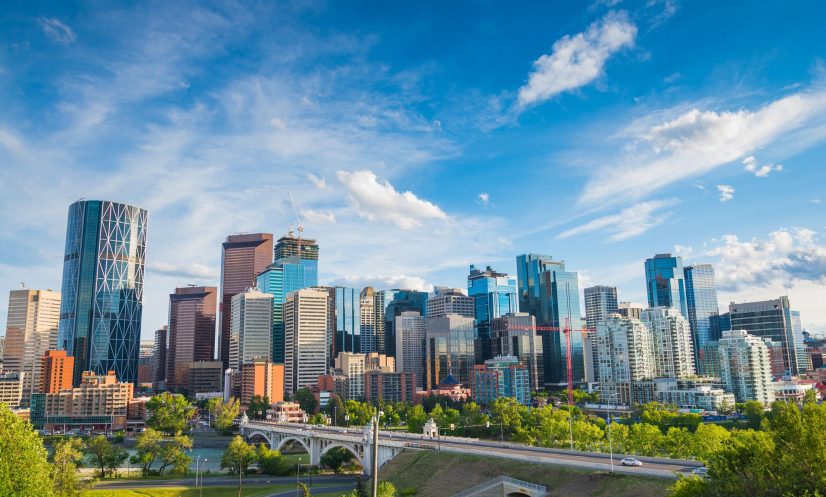
Voters in Canada’s oil-rich Alberta province will decide next week whether to begin the process of separating from the country, in a referendum that could test national unity amid strained relations with the United States.
Opinion polls suggest fewer than a quarter of Alberta’s roughly five million residents support independence. However, Mitch Sylvestre, head of the Alberta Prosperity Project, the province’s most prominent separatist organisation, disputed the figures.
“I wouldn’t be surprised if we actually win this referendum,” Sylvestre told AFP on Tuesday, adding that he would be “very surprised” if support fell below 40 per cent.
The vote poses a challenge for Prime Minister Mark Carney, who grew up in Alberta and returned to the province this week to campaign for national unity.
Relations between Canada and the United States have been strained by US President Donald Trump’s policies, a defining issue during Carney’s tenure.
Alberta’s oil industry is central to the prime minister’s strategy to strengthen Canada’s economy and reduce its dependence on the US market. Carney has backed a new pipeline and other projects to increase crude oil production, marking a departure from his predecessor Justin Trudeau, who faced strong opposition in Alberta over policies critics said restricted oil industry growth.
In a video message released on Canadian Thanksgiving on Monday and filmed at his former high school in Edmonton, Carney described the proposed pipeline as an opportunity to create lasting prosperity in Alberta and across Canada.
“We can’t achieve any of this if we are divided,” he said.
Economic grievances fuel separatism
Alberta separatists have raised concerns about immigration and individual freedoms, but their main grievances centre on federal management of the oil industry.
Ryan Griffiths, a Syracuse University professor specialising in separatist movements, described Alberta’s independence campaign as unusual because it lacks the strong linguistic or nationalist identity often associated with such movements.
Alberta Premier Danielle Smith has also criticised the federal government’s past approach to the oil sector, saying policies under Trudeau had threatened the province’s principal industry.
Smith, however, opposes independence and has welcomed Carney’s more supportive stance towards oil development. She said she called the non-binding referendum to resolve divisions within the province.
Smith has said that if a majority votes for independence, she will begin the legally binding process of separation. If voters choose to remain in Canada, she will not approve another referendum, according to an interview with CBC.
US links draw scrutiny
Alleged links between Alberta separatists and allies of Trump have attracted scrutiny in Canada.
US Treasury Secretary Scott Bessent has described Alberta as a “natural partner” for the United States, while leaders of the Alberta Prosperity Project have held several meetings at the US State Department.
Canadian newspaper The Globe and Mail earlier this month reported contacts between Sylvestre’s group and Republican Party operatives.
Sylvestre told AFP that US interests would not play a role in the movement until it won power and formed a government. He said he would then seek to maintain free-flowing trade with the United States.
“There’s no animosity towards America here,” he said, adding that Alberta should continue trading with the world’s largest economy.