Play store

Bangladesh has incurred an additional $4.12 billion in fuel and fertiliser import costs over seven months due to the ongoing Middle East war, equivalent to around Tk502.64 billion at an exchange rate of Tk122 per dollar.
The additional cost could rise by another $600 million a month if the conflict continues, putting further pressure on the country’s foreign exchange reserves and public finances.
Bangladesh is seeking international assistance to manage the economic fallout, while the question of compensation for countries suffering losses despite not being directly involved in the conflict has also emerged in international discussions.
The issue was raised on Friday (October 16) on the sidelines of the annual meetings of the International Monetary Fund (IMF) and the World Bank Group in Bangkok, Thailand.
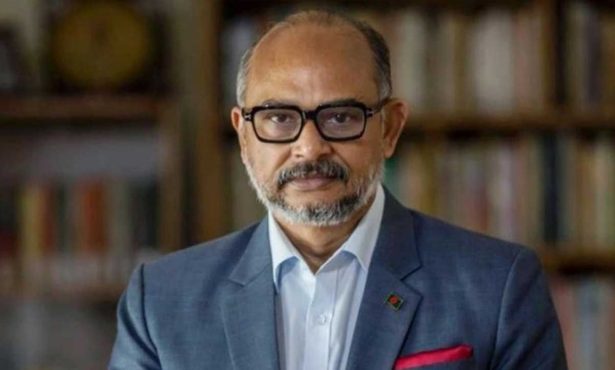
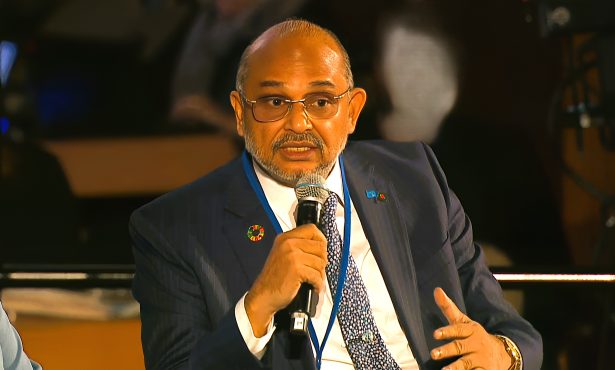
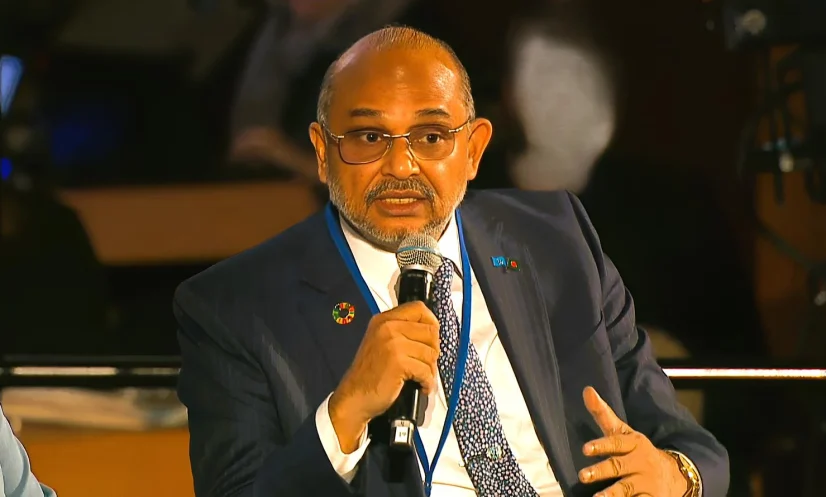
Rashed Al Mahmud Titumir, adviser to the prime minister on finance and planning, presented the figures on additional fuel and fertiliser import costs and urged the international community to support countries affected by the conflict.
However, no final decision has been made to award Bangladesh compensation equivalent to the additional costs, estimated at around Tk500 billion. The government is pursuing additional financing from the World Bank and the IMF, but loans, grants and emergency assistance cannot automatically be treated as war compensation.
The impact of the conflict is becoming increasingly evident in Bangladesh’s fuel and fertiliser import bills. Higher international fuel prices can raise electricity generation, transport and industrial operating costs. Rising fertiliser prices can also increase agricultural production costs and the government’s subsidy burden.
According to Titumir, Bangladesh could face an additional monthly expenditure of around $600 million on fuel and fertiliser imports if the conflict continues.
The country is already dealing with high inflation, weak investment and financial-sector challenges. Higher import bills could make it more difficult to secure foreign currency and maintain fiscal stability.
Bangladesh argues that developing countries that are not directly involved in the conflict are nevertheless bearing substantial financial losses due to higher international prices. It has called for greater international assistance, including concessional financing, grants and emergency support for import-dependent economies.
World Bank President Ajay Banga has said the institution is discussing potential emergency assistance with 30 to 40 countries affected by higher energy and other commodity prices resulting from the Middle East conflict.
He said the assistance could potentially be expanded to as much as $100 billion if the situation deteriorates further. An initial $25 billion crisis fund has been arranged, while funds from ongoing and approved projects could also be redirected to help affected countries.
The initiative could provide Bangladesh with additional support to manage rising import costs and ease pressure on foreign exchange reserves. However, the amount available to the country would depend on its needs, spending plans and financing conditions.
Bangladesh has also sought an additional $10 billion in financing from the World Bank over the next three years. Discussions are underway with the IMF over a new three-year loan programme worth $4.5 billion.
Neither financing request has been designated as war compensation. Both are part of broader efforts to address economic pressures and support recovery.
Although the additional import costs are estimated at around Tk500 billion, there is currently no confirmed mechanism for Bangladesh to recover that amount as compensation.
The terms of any international assistance will therefore be important. Loans could provide immediate relief but would have to be repaid with interest, potentially increasing the country’s long-term external debt burden. Grants and concessional financing would generally create less repayment pressure.
Bangladesh’s priority is to ensure uninterrupted fuel supplies, protect agricultural production and shield low-income households from further inflationary pressure.
Titumir said Bangladesh was dealing with the effects of the Middle East conflict alongside longstanding economic problems, including high inflation, banking-sector irregularities and corruption inherited from the previous administration.
Following meetings with the IMF, he said rising living costs had placed particular pressure on low-income people. The government was working to contain inflation, reduce poverty and restore confidence in the banking sector.
He also highlighted social protection initiatives such as the Family Card and Farmer Card, saying effective implementation could help protect purchasing power and prevent vulnerable households from falling into poverty.
Other priorities include increasing tax revenue, restoring discipline in the banking sector and encouraging investment in production and export-oriented industries.
Banga has warned that developing and emerging economies face a significant challenge in creating enough jobs for their growing working-age populations.
According to figures he presented, around 1.2 billion young people in developing and emerging economies will reach working age over the next 10 to 15 years. Under current trends, an estimated 400 million jobs may be created, leaving a potential shortfall of around 800 million.
Speaking at the annual meetings in Bangkok, he stressed the importance of private investment, technology and expanding productive sectors alongside public financing.
For Bangladesh, higher import costs could further affect industrial production, investment and employment. International assistance will therefore need to be accompanied by efforts to strengthen productive capacity and attract investment.
The Middle East conflict has emerged as a broader economic challenge for Bangladesh, affecting foreign exchange availability, public finances, agriculture, inflation and household living costs. The additional Tk502.64 billion in fuel and fertiliser import costs over seven months illustrates the scale of the pressure.
Bangladesh is now seeking effective international financing, but distinguishing between compensation for war-related losses, emergency assistance and loans will be crucial in determining a sustainable response.