Play store

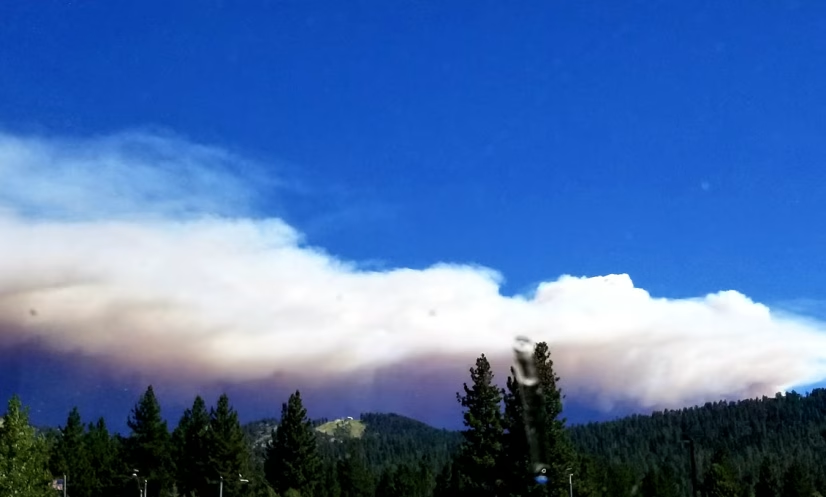
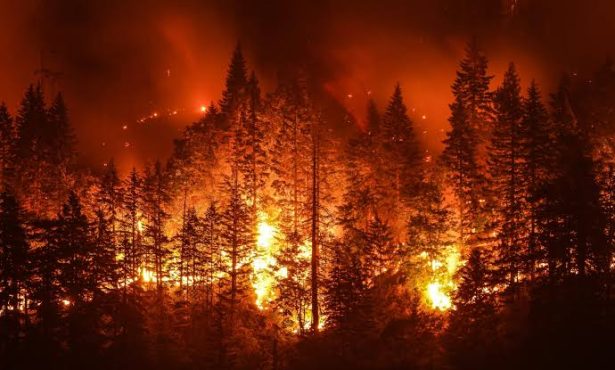
Wildfires are spreading across Brazil’s Amazon rainforest amid severe drought linked to El Niño, filling cities with smoke and threatening forests already damaged by previous fire seasons, according to NASA scientists.
Satellite observations have detected a sharp increase in fires and smoke emissions across the central and eastern Amazon since September 2026, raising concerns that the region could face a prolonged fire season extending into 2027.
NASA’s Aqua satellite captured extensive smoke plumes rising from fires on both sides of the Amazon River on October 12. The affected areas stretch from the forests around Manaus and Santarém, two major commercial and transport hubs, towards the mouth of the Amazon River.
Manaus, the capital of Brazil’s Amazonas state, has been particularly affected. City officials reported concentrations of fine particulate matter, known as PM2.5, exceeding 135 micrograms per cubic metre, posing serious health risks to residents.
The hazardous air quality disrupted daily life in the city of more than two million people, with schools closing, public events cancelled and children’s sports activities suspended, according to reports.
Douglas Morton, an Earth system scientist at NASA’s Goddard Space Flight Center, said the fires were part of a wider pattern of tropical wildfires associated with El Niño-driven rainfall disruptions.
Morton described the phenomenon as a cascade of fires that follows shifting drought conditions across tropical regions. The sequence began with severe drought and fires in Indonesia before intensifying in the central and eastern Amazon.
A similar pattern was observed following the 2015-16 El Niño and again in 2023, when researchers tracked the relationship between changing rainfall patterns and fires across tropical regions.
Indonesia experienced months of drought, smoke and destructive fires from August this year. The growing number of fires in Brazil’s Pará and Amazonas states now represents another stage in the pattern, Morton said.
Scientists expect fire activity to spread northward during November and December, potentially affecting Brazil’s Roraima and Amapá states, northern Pará and parts of Venezuela, Guyana and Suriname.
The risk could subsequently shift southward, with drought and wildfire danger potentially reaching severe levels in the southern Amazon regions of Brazil and Paraguay in August and September 2027.
Morton expressed concern that forests affected by the 2015 and 2023 fire seasons were burning again. Repeated fires can weaken trees and leave forests more vulnerable to subsequent blazes.
Unlike ecosystems adapted to frequent fires, tropical rainforests contain vegetation and wildlife that are particularly vulnerable to burning. Fires can cause lasting ecological damage and undermine the forest’s ability to recover.
Morton expects fires around Manaus and Santarém to continue until seasonal rains return, possibly in December 2026 or January 2027. He urged people to avoid burning vegetation during the current drought.
Human activity is believed to be responsible for nearly all fires in the Brazilian Amazon. According to Morton, lightning accounts for less than one per cent of fires in the region because of its normally humid conditions.
Many large fires begin as deliberate burns to clear agricultural land, remove shrubs from grazing areas or dispose of crop residues. Under normal conditions, such fires may remain contained, but extreme drought can allow flames to escape into the forest’s dry understory and spread rapidly.
Brazil’s National Institute of Meteorology reported that rainfall in Manaus was 95 per cent below normal in August and 60 per cent below normal in September.
Shane Coffield, an assistant research scientist at the University of Maryland working at NASA Goddard, said satellite analysis indicated that approximately 50 to 70 uncontrolled fires were burning in the Santarém area alone.
Scientists warn that the combination of prolonged drought, human-started fires and damage from previous fire seasons could intensify the threat to the Amazon, one of the world’s most important tropical forest ecosystems.