Play store

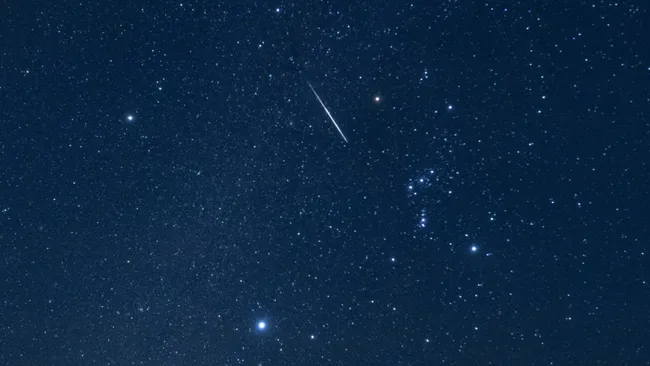
The annual Orionid meteor shower is expected to peak overnight on October 21-22, offering skywatchers a chance to see shooting stars streak across the night sky as Earth passes through debris left behind by Halley’s Comet.
Under ideal dark-sky conditions, observers may see 10 to 20 meteors an hour during the peak, although actual visibility will depend on local weather, light pollution and moonlight.
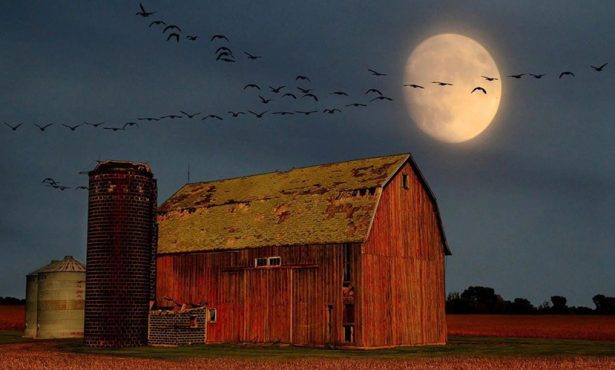
The waxing gibbous Moon, which will be about 74 per cent illuminated, is expected to obscure fainter meteors during the early part of the night. However, conditions could improve after the Moon sets, providing a darker window for observation before dawn.
The best time to watch the shower is between midnight and dawn on October 22. Observers are advised to check local moonset times and choose a location away from city lights.
The meteors will appear to originate from the constellation Orion, near Betelgeuse, a red giant star. However, astronomers recommend looking about 40 to 90 degrees away from this apparent point of origin to see longer and more visible meteor trails.
Skywatchers should allow 20 to 30 minutes for their eyes to adjust to the darkness. No telescopes or binoculars are necessary, as meteors can be seen with the naked eye across a broad area of the sky.
The Orionids occur every year when Earth travels through a stream of dust and debris shed by Halley’s Comet. As these particles enter Earth’s atmosphere at speeds of about 237,500 kilometres per hour, they heat up and vaporise, producing bright streaks of light.
Halley’s Comet last passed through the inner solar system in 1986 and is expected to return in 2061. Despite the comet’s long orbital period, its debris continues to produce annual meteor displays as Earth crosses its path.
The Orionids are among several annual meteor showers caused by debris from comets. Their visibility varies from year to year depending on the amount of debris encountered, moonlight and atmospheric conditions.