


 Play store

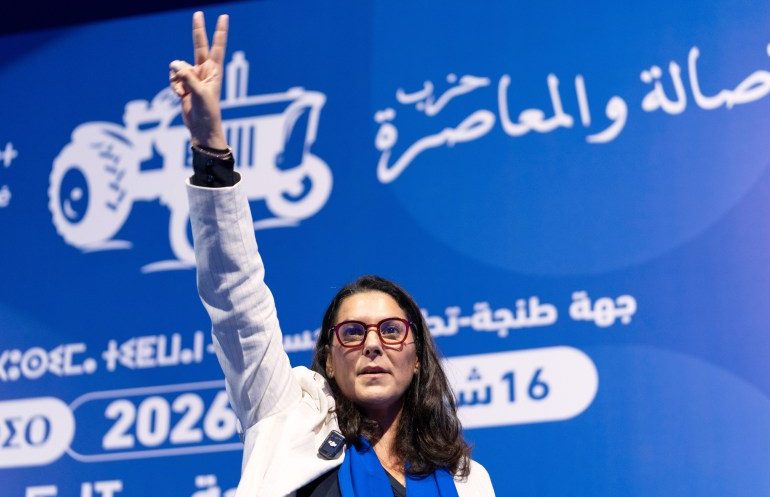
Morocco has entered a new chapter in its political and administrative history with the formation of a new government led by Fatima Ezzahra El Mansouri, the country’s first woman to head the government.
Following the parliamentary elections held on September 23, King Mohammed VI appointed the new government at the Royal Palace in Rabat on October 16, 2026, after weeks of political consultations and coalition negotiations.
The 32-member government includes seven women. While El Mansouri’s appointment marks a historic change in the country’s leadership, several experienced ministers have retained their positions in key strategic ministries, signalling continuity in major policy areas.
Abdelouafi Laftit has been reappointed as interior minister, retaining responsibility for domestic security, public administration, local governance and law enforcement. His continuation in the post reflects the government’s decision to maintain experienced leadership in a crucial area of state administration.
Nasser Bourita has also retained his position as minister of foreign affairs, African cooperation and Moroccan expatriates. He will continue to oversee Morocco’s international relations, cooperation with African countries, bilateral and multilateral diplomacy, and the protection of the interests of Moroccan citizens living abroad. His recent diplomatic engagement at the United Nations General Assembly has drawn particular attention.
Abdellatif Ouahbi remains justice minister, responsible for judicial reform, modernising the legal framework and improving the administration of justice. Ahmed Toufiq has also retained the portfolio for Islamic affairs and endowments, including oversight of religious institutions and the management of endowment properties.
One of the most closely watched appointments is that of Fouzi Lekjaa, head of Morocco’s football federation and a former budget minister, as minister of economy and finance and public performance. His responsibilities will include budget management, fiscal policy, public finances and improving government spending efficiency. His appointment is also significant as Morocco steps up preparations for co-hosting the 2030 FIFA World Cup with Spain and Portugal.
Nizar Baraka has retained the portfolio for equipment, water and forests, which covers infrastructure development, water management and forest conservation.
Nabil Benabdallah has been appointed minister of national education, preschool education, vocational training and qualification. Improving education and skills development to expand employment opportunities for young people will be among the major challenges facing his ministry.
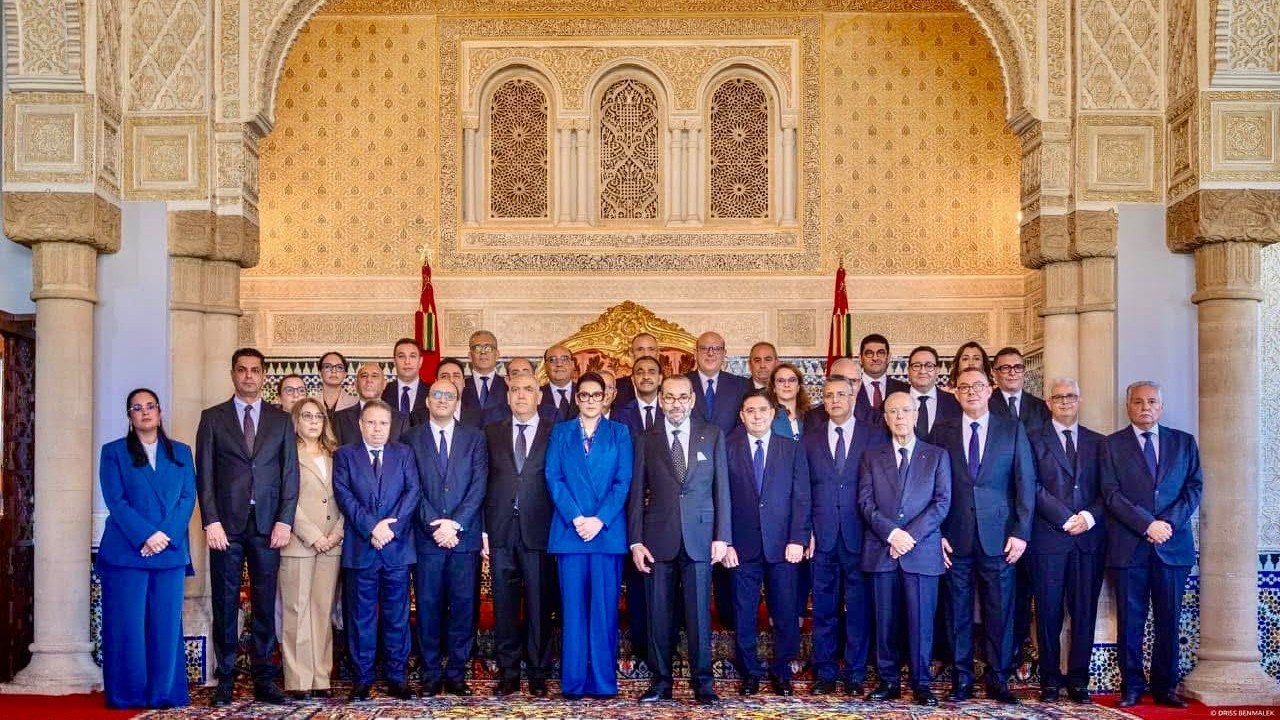
Youns Bjijou has taken charge of health and social protection, while Khalid Hatimy has been appointed minister of agriculture, fisheries and food sovereignty. Food security, agricultural productivity, fisheries and rural economic development are expected to remain important priorities for the new administration.
Riad Mezzour will oversee industry, trade, investment and economic inclusion. Mohamed Mehdi Bensaid has been appointed minister of youth, culture and communication, while Azzedine El Midaoui will handle higher education, scientific research and innovation. Abdes Samad Kayouh has been assigned the transport and logistics portfolio.
One of the notable features of the new government is the creation of a separate ministry covering artificial intelligence, digital transformation and administrative reform, headed by Ahmed Rahhou. The ministry is expected to focus on expanding digital public services, promoting the use of artificial intelligence, modernising administration and strengthening technology-driven governance.
Charafat Afailal has been appointed minister of energy, mines and sustainable development. Her portfolio includes renewable energy, mineral resources and environmentally sustainable development. Najwa Koukous will oversee family affairs, social development and equality.
Analysts say the new government faces the dual challenge of addressing domestic socioeconomic concerns and delivering an ambitious infrastructure programme ahead of the 2030 World Cup.
Expanding employment opportunities for young people, improving education and healthcare, and accelerating economic and administrative reforms will be central to its domestic agenda. At the same time, major investment in infrastructure and preparations for the global football tournament will require effective coordination and sound public financial management.
The new administration is therefore expected to balance political continuity with economic reform, social development and digital transformation, while seeking to strengthen Morocco’s position on the international stage.