


 Play store

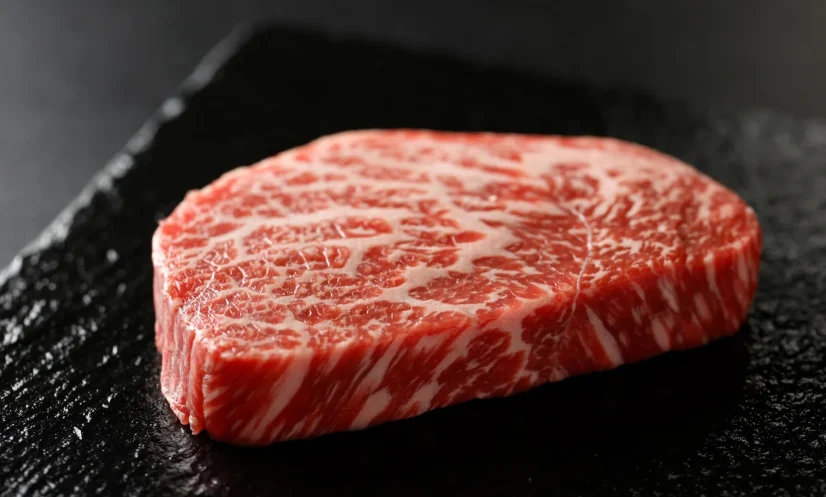
A naturally occurring sugar found in red meat may help explain the link between meat consumption and a higher risk of type 2 diabetes, with people consuming the highest amounts facing a 63 per cent greater risk of developing the disease, according to preliminary research.
The sugar, known as N-glycolylneuraminic acid (Neu5Gc), is particularly abundant in beef and lamb. Researchers suggest that it may trigger a prolonged immune response and chronic inflammation, potentially contributing to the development of type 2 diabetes.
The findings were presented at the annual meeting of the European Association for the Study of Diabetes (EASD) in Milan, Italy.
The association remained statistically significant after researchers accounted for established risk factors, including physical activity, overall diet, smoking and existing health conditions. It weakened after body mass index (BMI) was also taken into account but remained significant.
“Our findings support chronic inflammation as a specific mechanism linking red meat consumption with T2D, partly beyond the amount of red meat a person eats and partly independent of body fat,” said lead researcher Dr Leopold Fezeu of Université Sorbonne Paris Nord in Bobigny, France.
The researchers also found that diabetes risk generally increased with higher consumption of meat-derived Neu5Gc, although the study does not establish that the sugar directly causes the disease.
How the sugar may trigger inflammation
Neu5Gc is naturally produced by most mammals, but humans lost the ability to synthesise it following an ancient mutation in the CMAH gene. The molecule can nevertheless enter the human body through food, particularly red meat, with smaller amounts found in dairy products.
After consumption, Neu5Gc can be absorbed and incorporated into human tissues. Because the human body does not naturally produce the sugar, the immune system may recognise it as foreign and produce antibodies against it.
This immune response can lead to a prolonged inflammatory process known as xenosialitis, which has previously been linked to cardiovascular disease and cancer.
Researchers believe the same process may contribute to type 2 diabetes, a condition associated with problems in insulin production or the body’s ability to use insulin effectively.
“Although we do not know exactly what levels of Neu5Gc trigger an immune response, our data suggest that higher intakes of meat-derived Neu5Gc are associated with a progressively higher risk of T2D,” Fezeu said.
Nearly 90,000 adults included in study
The research team analysed dietary and health data from 89,953 adults participating in NutriNet-Santé, a large French observational study examining the relationship between nutrition, lifestyle and health.
Participants were 42 years old on average, and 79 per cent were women. None had type 2 diabetes or cancer when they entered the study.
Each participant completed three 24-hour dietary records. Researchers used a validated food database to estimate Neu5Gc intake from different foods, including beef, lamb, pork, rabbit, goat and game. Processed meats and dairy products were assessed separately.
Participants were divided into five groups according to their estimated intake of meat-derived Neu5Gc, with the lowest-intake group serving as the reference.
During a median follow-up of 7.2 years, researchers recorded 966 new cases of type 2 diabetes.
Those in the highest-intake group had a 63 per cent greater risk of developing the disease than those in the lowest-intake group, according to the findings.
Researchers caution against drawing firm conclusions
The findings offer a possible explanation for the association between red meat consumption and type 2 diabetes, but further research is needed to establish whether Neu5Gc directly contributes to the disease.
As the study was observational, it cannot prove cause and effect. Dietary intake was estimated from a limited number of food records, and other differences between participants may also have influenced the results.
The researchers said further studies would be needed to determine the levels of Neu5Gc that trigger an immune response and clarify how the resulting inflammation might affect diabetes risk.
The findings add to growing scientific interest in the role of chronic inflammation in type 2 diabetes and suggest that the biological effects of particular components of red meat may warrant further investigation.