Play store

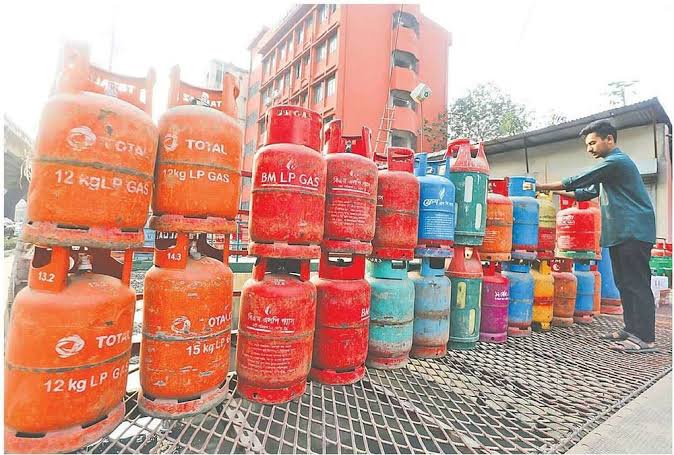
Dhaka: Consumers in Bangladesh are paying the highest price for a 12kg liquefied petroleum gas (LPG) cylinder in South Asia, compared with neighbouring countries, putting further pressure on household budgets amid rising living costs.
A comparison of market prices in the region shows that Bangladesh tops the list, with the regulated price of a 12kg LPG cylinder currently set at Tk2,060.
Pakistan ranks second, where a 12kg cylinder costs Tk1,488. The price is Tk1,392 in both Sri Lanka and Nepal, while the equivalent quantity of LPG costs Tk1,088 in Kolkata, India.
As a result, Bangladeshi consumers are paying Tk572 more than those in Pakistan, Tk668 more than consumers in Sri Lanka and Nepal, and Tk972 more than those in Kolkata.
Analysts say the significant price gap with neighbouring countries raises questions about oversight of Bangladesh’s LPG market and its import-dependent supply system, despite repeated references to international market prices.
Expressing concern over the situation, energy expert and Consumers Association of Bangladesh (CAB) Senior Vice-President M Shamsul Alam said consumers were not benefiting from declines in international LPG prices.
He said the Bangladesh Energy Regulatory Commission (BERC), however, promptly increased domestic prices whenever international prices went up.
He also alleged that the government-fixed LPG price existed only on paper, as cylinders were not available at the stipulated rates in retail markets.
Consumers were being forced to pay higher prices because of inadequate monitoring by BERC and the Directorate of National Consumer Rights Protection, as well as a syndicate of importers, he alleged.
The rising cost of LPG has put additional pressure on low-income people as well as middle-class households.
Against this backdrop, consumers have called for a review of LPG prices in line with international rates and prices in neighbouring countries, along with stronger market monitoring to ensure cylinders are sold at the regulated rates.