Play store

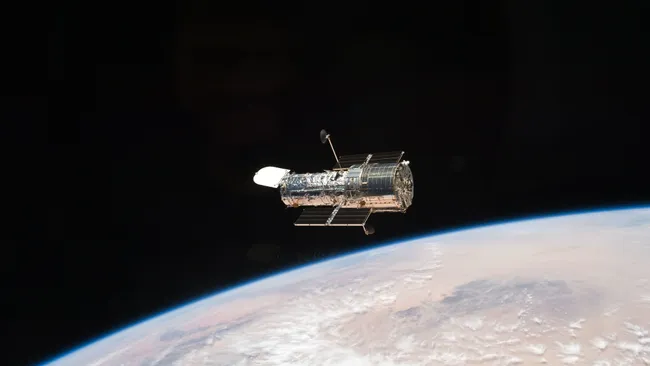
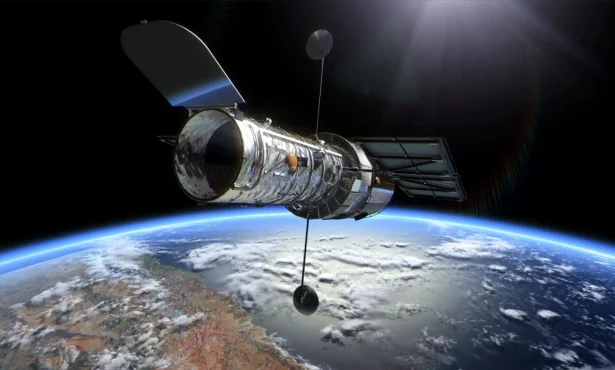
NASA has revived discussions about a possible rescue mission to extend the operational life of the Hubble Space Telescope, which could re-enter Earth’s atmosphere in about six years despite continuing to perform well.
The agency issued a request for information (RFI) on October 29 seeking proposals for in-space servicing capabilities, including options to boost Hubble’s orbit or upgrade its scientific capabilities.
Hubble’s orbit is gradually declining due to atmospheric drag, putting the iconic observatory on course to eventually fall back to Earth.
Launched in April 1990 in partnership with the European Space Agency (ESA), Hubble has been serviced five times by astronauts aboard space shuttle missions, with the latest maintenance mission taking place in 2009.
The telescope has made groundbreaking contributions to astronomy, including helping scientists establish that the expansion of the universe is accelerating, a discovery that earned the Nobel Prize in Physics.
Its observations have also transformed understanding of planets, stars, galaxies and other cosmic phenomena, while contributing to at least 23,000 scientific research papers.
Despite its age, Hubble remains in high demand among astronomers. NASA said in September that researchers request about seven times more observing time than the telescope can provide each year.
The observatory is also renowned for its spectacular images of the universe, including the iconic ‘Pillars of Creation’ in the Eagle Nebula.
NASA’s latest initiative is not the first attempt to explore ways of extending Hubble’s operational life, as discussions about keeping the celebrated telescope in service have continued in recent years.