Play store

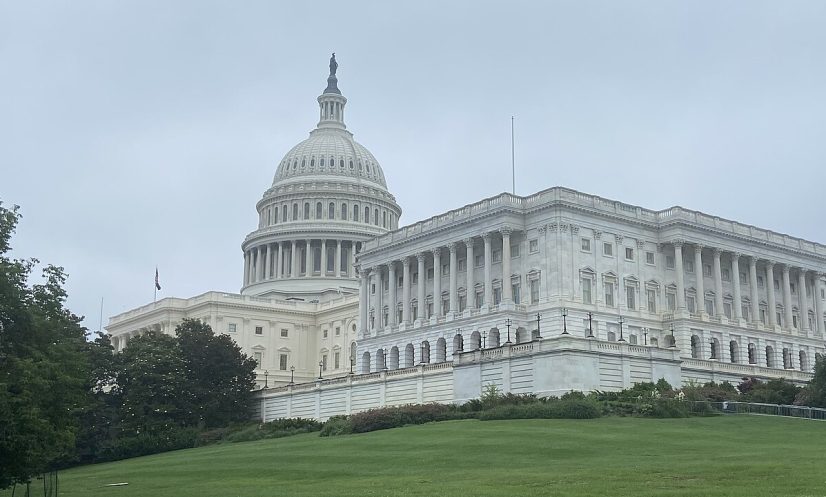
Despite a rise in Islamophobia and anti-Muslim rhetoric, a record number of Muslim Americans have won elections at federal, state and local levels in the recently concluded US midterm elections.
At least 97 Muslim American candidates have secured victories across different levels of government, according to the Council on American-Islamic Relations (CAIR).
A total of 168 Muslim American candidates from both the Democratic and Republican parties advanced through the primaries to compete in the November elections. More than a dozen additional candidates could still win as mail-in ballots continue to be counted.
The historic victory of New York City Mayor-elect Zohran Mamdani and growing political engagement among younger generations are believed to have played a significant role in the record gains.
Abdul El-Sayed made history by becoming the first Muslim elected to the US Senate for a six-year term.
Six Muslim Americans also won seats in the House of Representatives. They include re-elected lawmakers Ilhan Omar, Rashida Tlaib, Andre Carson and Lateefah Simon, along with newcomers Adam Hamawy and Darializa Avila Chevalier.
According to CAIR, besides these seven federal lawmakers, Muslim candidates won 39 state-level positions, including seats in state legislatures and attorney general offices. They also secured 16 local county and municipal positions, 27 education and school board posts, and eight judgeships.
The United States has approximately 5.5 million Muslims, accounting for around one per cent of the country’s population, according to the Islamic Public Affairs Council (MPAC) and other organisations.
Despite anti-Muslim rhetoric and campaigns reaching their highest levels in a generation during Donald Trump’s presidency and within the Republican Party, Muslim voter participation was unprecedented in the latest elections.
Muslim voter registration increased by at least 25 per cent over the past year, while surveys indicated that 93 per cent of Muslim voters cast their ballots. Around 80 per cent of them voted for Democratic candidates.
However, analysts say Muslim Americans tend to vote based on policy issues rather than party affiliation.
Uruj Ali, communications director of the nonprofit Georgia Muslim Voter Project, said Muslim voters generally prioritise policies over political parties, with many preferring to identify as independents rather than associate themselves with a particular party.
Israel’s attacks on Gaza and the protection of Palestinian human rights were major factors influencing Muslim voters in the elections.
According to a CAIR survey, 70 per cent of Muslim respondents said opposition to Islamophobia motivated them to vote, while 80 per cent said the situation in Gaza played a significant role in their electoral decisions.
Commenting on the emergence of new Muslim political leaders, Ahmed Mati, head of Muslim Public Service, said members of the community were increasingly playing influential roles in shaping national and local policies.
He described the victories as the outcome of years of community engagement and sustained efforts.
Meanwhile, Democratic candidates such as Abdul El-Sayed gained voter confidence by openly embracing their religious beliefs and values rather than avoiding discussion of their faith.
Analysts believe the victories represent not only a significant milestone for the Muslim community but also an important step forward for America’s multicultural political landscape.