Play store

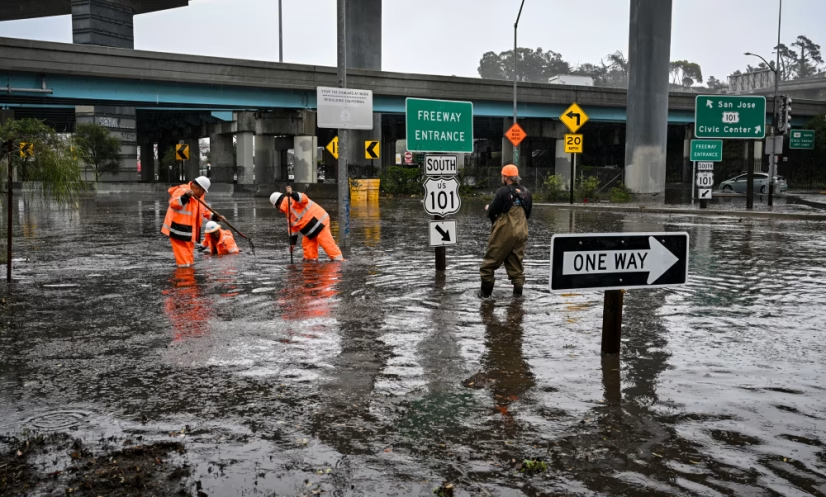
A powerful El Niño weather pattern is contributing to heavy storms, record-breaking rainfall and coastal flooding along both the western and eastern coasts of the United States, particularly in California and Florida.
Downtown San Francisco recorded 2.64 inches of rain on Wednesday, setting a new daily rainfall record. The previous record was 2.24 inches, set on November 18, 1918.
“Yesterday completely smashed those records,” said Anamaria Navarette, a meteorologist with the National Weather Service’s San Francisco Bay Area office, adding that El Niño was playing a significant role in the weather event.
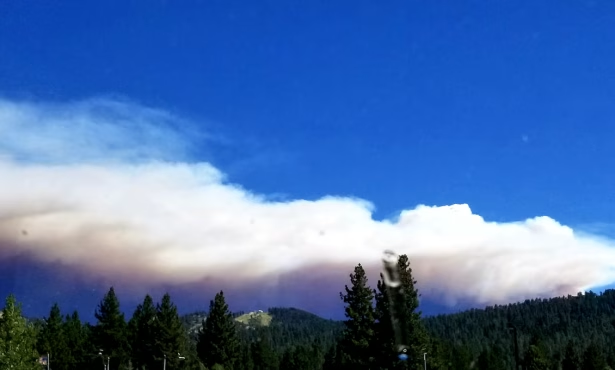
Two waterspouts, rotating columns of air and moisture resembling tornadoes, formed in San Francisco Bay on Wednesday, while another developed near Santa Cruz to the south. Strong winds brought down trees and power lines, while heavy rainfall over areas previously affected by wildfires prompted flash flood warnings.
Meanwhile, Florida’s Atlantic coast has received more than a foot of rain over the past 48 hours, affecting areas that experienced historic rainfall and flooding just two weeks ago.
Melissa Watson, a National Weather Service meteorologist in Melbourne, Florida, said several rainfall records had also been broken there.
“Quite a few records were broken yesterday,” she said, describing the region as being under a strong El Niño weather pattern.
With earlier storms leaving much of Florida’s Space Coast waterlogged, the latest rainfall pushed the area’s flash flood risk to its highest category on Thursday.
“The water is not seeping into the earth at all because the soils are completely saturated,” Watson said.
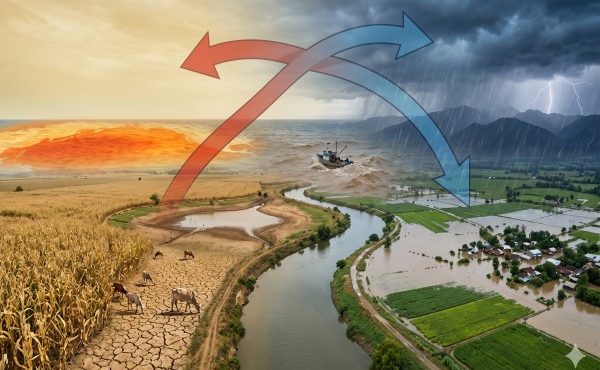
Meteorologists attribute the severe weather on both coasts partly to El Niño, which strengthens Pacific storms that can affect the US West Coast while shifting the southern jet stream and directing more storm systems towards the southeastern states.
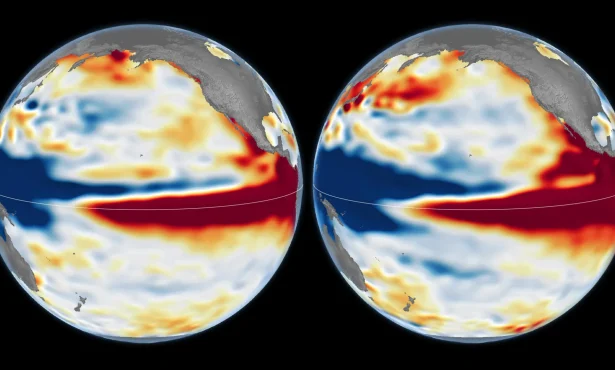
Data from the National Oceanic and Atmospheric Administration (NOAA) indicate that this year’s El Niño was the second strongest on record for August through October, even after excluding the effects of climate change. The agency expects the pattern to continue through May.
El Niño is a natural climate phenomenon that occurs when trade winds near the equator weaken, reducing the upwelling of cold water in the eastern Pacific Ocean. It can influence weather patterns worldwide and contribute to rising global temperatures.
In California, much of the rainfall during autumn and winter comes from atmospheric rivers — narrow bands of concentrated moisture originating in the tropical and subtropical Pacific.
These weather systems are a major source of flooding. A 2022 study estimated that they cause an average of more than $1.1 billion in flood damage annually, while other research suggests that atmospheric rivers account for around 84 per cent of flood damage in western US states.