Play store

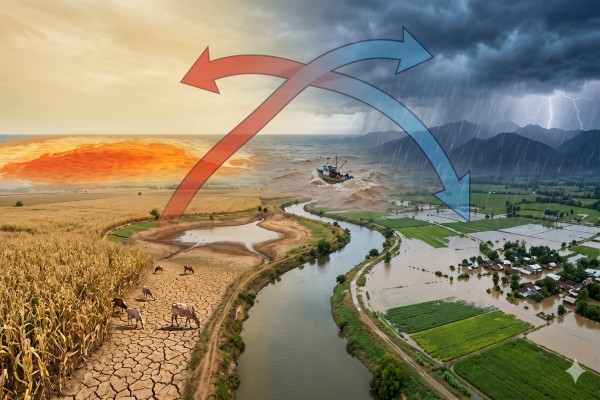
An exceptionally strong El Nino is disrupting weather patterns across the globe, bringing torrential rain to parts of India and Nepal while worsening drought in South America, threatening agricultural production and pushing up food prices.
The phenomenon poses significant risks to rice and coffee harvests, among other major crops. The World Bank expects food prices to rise by 18 per cent by 2027, partly due to supply disruptions caused by conflicts and the anticipated impact of El Nino.
Here is how the weather phenomenon is affecting different regions.
Cyclone lashes India
Ferocious winds and torrential rain battered India’s southeastern coast after a cyclone made landfall on Wednesday, killing at least three people and forcing nearly 100,000 people to evacuate.
“Our homes get flooded, and we have to stay in the water,” said 65-year-old Rajeshwari, who was taken to a government-run shelter near Kakinada, close to the storm’s centre.
Cyclones, known as hurricanes in the North Atlantic and typhoons in the Pacific, regularly threaten the Bay of Bengal and northern Indian Ocean.
However, this year’s storm season has been intensified by El Nino, which has contributed to unprecedented warming.
Cyclone Arnab subsequently moved towards Nepal, bringing heavy snowfall to the high Himalayan regions and intense rainfall through Saturday.
Bolivia declares state of emergency
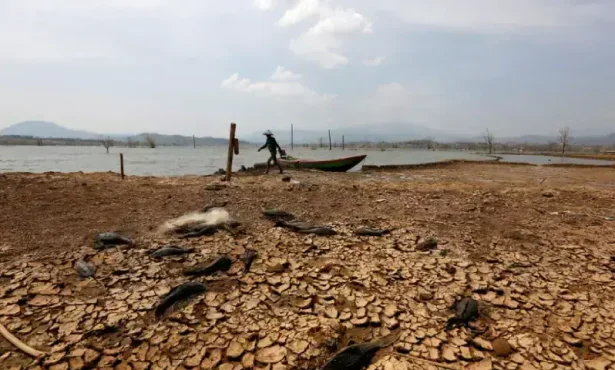
In Bolivia, drought has affected around 78,000 families in six of the country’s nine departments and caused the loss of more than 75,000 cattle, according to a government report this week.
On Saturday, President Rodrigo Paz declared a state of emergency to mobilise resources to address the impact of El Nino.
“This will be a phenomenon that will have very severe impacts in terms of drought and floods, and we need the cooperation of all institutions,” Paz said.
In neighbouring Peru, El Nino has pushed up temperatures and triggered forest fires that have killed at least 12 people. It has also contributed to the spread of dengue fever.
Meanwhile, Chile has experienced its wettest October on record in Santiago.
El Nino in numbers
According to the World Bank, food prices are expected to increase by 18 per cent between 2025 and 2027, reflecting both supply disruptions caused by conflicts and the expected effects of El Nino.
The University of Chicago’s Climate Impact Lab estimates that 484,500 excess heat-related deaths have occurred worldwide since June because of the weather phenomenon.
It projects that around 373,000 additional deaths could occur over the next six months.
Vulnerable crops
Coffee, cocoa and rice are among the crops particularly vulnerable during this exceptionally strong El Nino year.
The impact varies by region, but staple foods are of greatest concern because they account for the bulk of calorie consumption in vulnerable countries, Maximo Torero, chief economist at the UN Food and Agriculture Organization (FAO), told AFP.
El Nino particularly threatens rice production in regions experiencing reduced rainfall, especially in Asia, where water shortages can limit planting and reduce yields.
Maize and beans, essential food crops in Mexico, Central America and southern Africa, are also exposed to increased drought risks.
Even sorghum and millet, which are important in East Africa and relatively resistant to water shortages, can suffer from prolonged rainfall deficits, according to the FAO. Wheat production is also vulnerable to irregular precipitation.
Such disruptions can reduce local food supplies, increase domestic prices and trigger a rise in global cereal prices, raising import bills for countries dependent on foreign supplies.
The FAO is also closely monitoring export-oriented crops such as cocoa and coffee, which are sensitive to both excessive and insufficient rainfall.
Excessive rain can encourage crop diseases, while inadequate rainfall can reduce production volumes and quality.
A poor harvest can hurt farmers’ incomes and reduce foreign currency earnings for producing countries, while also driving up international commodity prices.