Play store

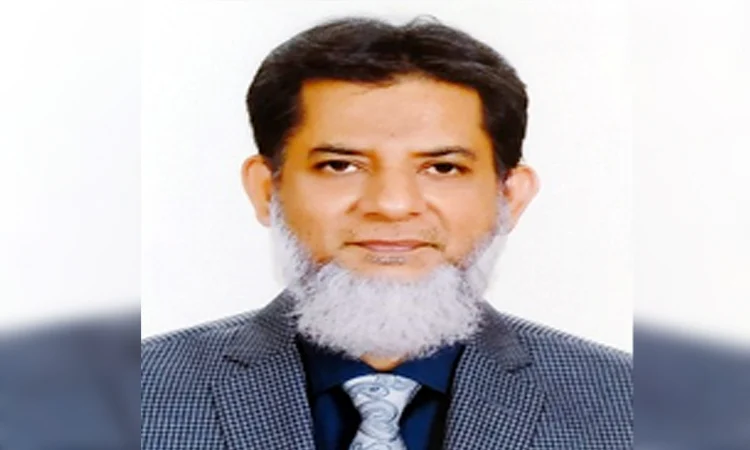
State Minister for Road Transport and Bridges and Railways, Habibur Rashid Habib, has said the government has launched a comprehensive initiative to repair roads and highways damaged by recent heavy rainfall and flooding, with Chattogram, Cox’s Bazar and the hill districts receiving top priority.
In an interview at his Secretariat office, the minister said restoring transport connectivity quickly is essential to ease public suffering and ensure smooth economic activities.
“We will not allow the country’s transport network to remain disrupted for long. Damaged roads are being repaired on a priority basis to ensure safe travel and uninterrupted economic flow,” he said.
Persistent rainfall and flooding have caused widespread damage to road infrastructure, washing away road surfaces, collapsing shoulders, and damaging culverts and drainage systems. Prolonged waterlogging has also weakened pavement structures in many areas.
The Roads and Highways Department (RHD) has been instructed to immediately assess the damage and begin repair work without delay.
A preliminary estimate indicates that around 212 kilometres of roads in the Chattogram region have been affected, including national highways, regional highways and key district roads.
Given Chattogram’s importance as the country’s main seaport and a major industrial hub, restoring connectivity in the region has been given the highest priority, Habib said.
A special monitoring system involving engineers at various levels has already been activated to oversee the work.
In the first phase, repairs are focusing on routes used to transport essential supplies such as food, medicine, fuel and relief goods, as well as roads connecting hospitals, ports and other key installations.
Temporary repairs will be carried out where necessary to keep traffic moving, while permanent reconstruction will take place after the monsoon season, he added.
Field officials have been instructed to remain on 24-hour standby, with materials and equipment kept ready for emergency response. Authorities are also continuously monitoring vulnerable areas.
The minister acknowledged that flooding has temporarily disrupted the movement of agricultural and industrial goods, but said alternative routes and emergency repairs are helping restore normal communication.
Emergency repairs are currently being funded from the RHD’s maintenance budget, with additional funds to be sought if necessary after a full assessment.
Highlighting the impact of climate change, Habib said future road construction will focus on resilience through improved drainage systems, raised road levels and more durable materials. He stressed the need for long-term planning to prevent recurring damage.
Bridges and culverts are also under close monitoring, with restrictions on heavy vehicles possible where safety concerns arise.
Habib warned that negligence in repair work will not be tolerated and said progress will be regularly monitored to ensure timely completion.
He added that the RHD, local administration, police and fire service are working in coordination to restore connectivity in flood-affected areas.
Urging public cooperation, he advised people to avoid unnecessary travel in high-risk areas and report damaged infrastructure to the authorities.
The government aims not only to repair damaged roads but also to build a safer, more resilient transport network capable of withstanding future disasters, he said, expressing hope that most priority repair work will be completed soon, weather permitting.