


 Play store

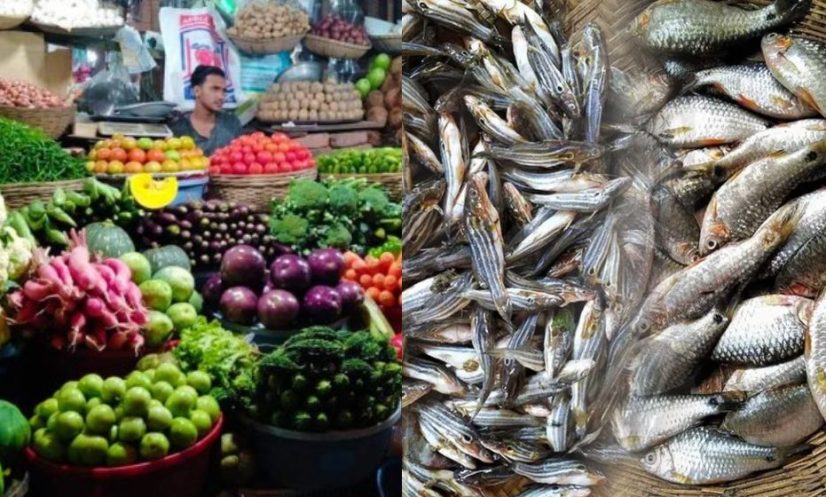
Consumers in Dhaka are struggling to cope with persistently high prices of essential commodities, with vegetables and fish becoming increasingly difficult for low- and middle-income families to afford.
A survey of several city markets on Friday found that prices of most daily necessities, including rice, lentils, vegetables and fish, remained high, leaving many consumers under growing financial pressure.
Most vegetables are selling for around Tk 80 a kilogram or more.
Tomatoes and carrots are priced at about Tk 140, green chillies at Tk 250 and coriander leaves at as much as Tk 300 per kilogram.
Potol, eggplant, bitter gourd, yardlong beans and taro stems are selling at Tk 70–90 per kilogram. Relatively cheaper options include papaya at Tk 40–50 and ash gourd and cucumber at Tk 50–60.
Consumers at Jatrabari and Town Hall markets said buying several types of vegetables at once can quickly push their shopping bill higher.
“Buying a kilogram of several vegetables now costs Tk 500–600. Managing vegetables along with fish and meat has also become difficult,” said a consumer, Sadman.
Retailers, however, said high wholesale prices, transportation costs and losses from spoiled produce are contributing to the elevated retail prices.
The fish market is also putting pressure on household budgets. Limited supplies of local fish have pushed prices of species such as pabda, tengra, shing, magur, shol, chital and boal to between Tk 500 and Tk 1,200 per kilogram.
Even small kachki fish is selling for Tk 500–700 per kilogram.
Farmed fish offer relatively cheaper alternatives, but prices remain high. Pangas is selling for Tk 200–280, tilapia Tk 220–300, and rohu and catla Tk 350–500 per kilogram.
“Sometimes I want to buy pabda or shing, but the price makes it impossible. Even pangas or tilapia now costs a lot. After meeting other household expenses, buying fish has become difficult,” said Enayetullah, a private-sector employee.
Sellers at Shyambazar said declining availability of local fish and rising feed, production and transportation costs for farmed fish have contributed to higher prices.
The continued rise in food prices is fueling frustration among consumers. Many say household incomes are failing to keep pace with rising living costs, forcing them to cut back on essential purchases toward the end of the month.
Retailers and market stakeholders called for stronger monitoring across the entire supply chain, from wholesale markets to retail outlets.
They said action limited to retail markets would not be enough to control prices in the long term. Effective oversight of production, imports, stockpiling, transportation and distribution, along with firm action against artificial shortages and excessive profiteering, is needed to bring greater stability to the market.