


 Play store

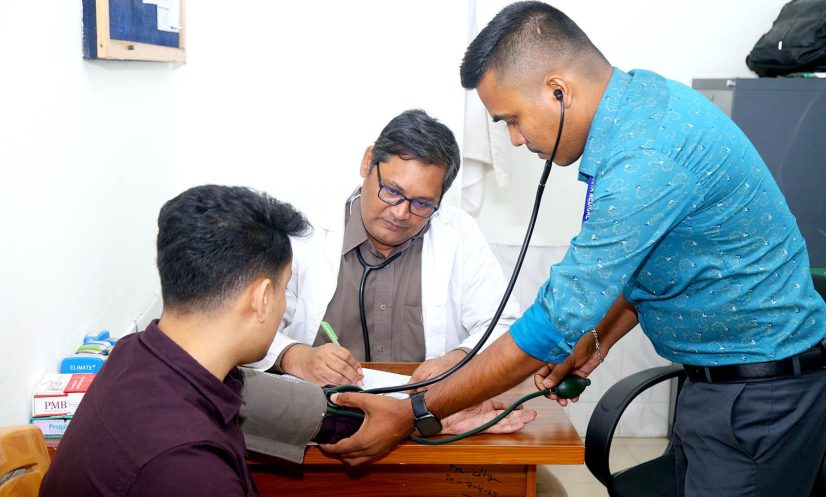
High blood pressure is increasingly affecting young people in Bangladesh, with research showing that 43pc have blood pressure levels above the normal range.
Doctors and experts blame unhealthy lifestyles, including irregular meals, excessive salt and oily foods, obesity, smoking, prolonged sitting, lack of exercise and staying up late.
The trend is evident even among people in their 20s and 30s. Rifat, a 25-year-old muezzin, has developed high blood pressure, while 30-year-old private-sector employee Sonamia was diagnosed with the condition four years ago but has struggled to keep it under control.
Experts say the biggest concern is that many young people remain unaware of their risk and do not seek medical advice even when experiencing symptoms such as headaches, fatigue, palpitations or shortness of breath.
According to national health survey data, around one-quarter of Bangladesh’s overall population has high blood pressure. Among young people with hypertension, however, only a small proportion manage to keep their blood pressure under control.
Professor Dr Sohel Reza Chowdhury, head of the Department of Epidemiology at the National Heart Foundation, said only 16 out of every 100 young people with hypertension are able to control their blood pressure, leaving 84% with uncontrolled levels.
Doctors warn that prolonged uncontrolled hypertension can significantly increase the risk of stroke, heart failure, kidney damage, vision problems and other vascular complications.
They recommend that people start checking their blood pressure regularly after the age of 20, while maintaining a healthy diet, reducing salt and oil intake, avoiding smoking, exercising regularly and getting adequate sleep.
Experts say greater awareness and routine health checks among young people can help detect hypertension early and prevent serious long-term complications.