Play store

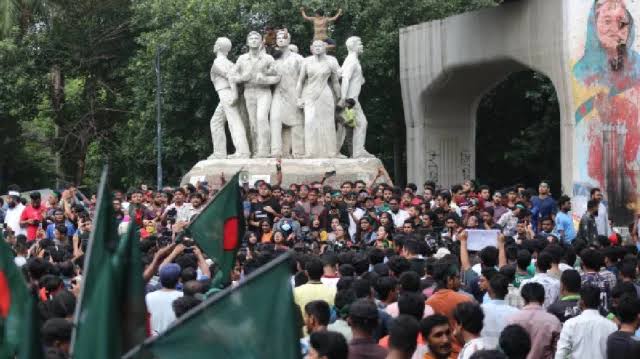
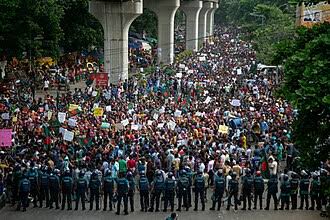
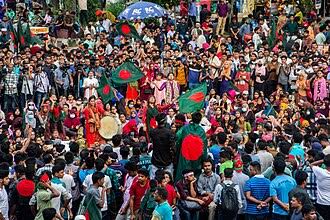
The ongoing Bangla Blockade, infusing fresh momentum into the Anti-quota agitations, paused for a day on 9 July 2024 as students leading the quota reform movement prepared for their next round of protests.
In the evening, Baisommobirodhi Chhatro Andolon (Students Against Discrimination) coordinators, spearheading the movement, announced a fresh programme: a countrywide Bangla Blockade to be held the following day, from 10:00am until sunset, in pursuit of their single demand — meaningful reform of the quota system in public service recruitment.
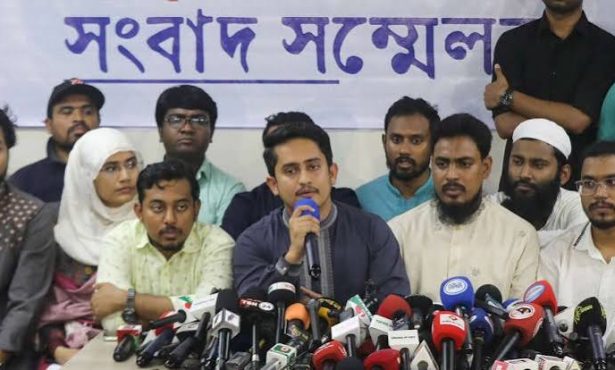
Announcing the programme at a press conference held in front of Dhaka University’s central library, Nahid Islam, one of the movement’s coordinators, reiterated that their demand was not for the abolition of quotas but for their rational reform through parliamentary legislation. The protesters sought to reduce unreasonable and discriminatory quotas across all grades of government jobs, while maintaining minimal quotas only for genuinely disadvantaged groups as specified in the Constitution.
At the press conference, the protest organisers proposed that no more than five percent of government jobs should be reserved under the quota system. Hasnat Abdullah, another key coordinator, made it clear that their movement did not oppose the spirit of the Liberation War or the freedom fighters themselves. “We are not against the freedom fighter quota. The Bir Muktijoddhas are the best sons of the nation. We never questioned any rewards given to them. If the government wishes to expand their benefits, we welcome it. But we oppose quotas that extend to their grandchildren and beyond,” he said.
Earlier in the day, two students from Dhaka University filed a writ petition with the High Court, challenging the reinstatement of the quota system. The petition was later forwarded to the chamber court for a hearing scheduled for July 10.
In response to that development, Sarjees Alam, another coordinator of the quota reform movement, emphasised that regardless of the court’s decision, their demand for legal reform through the parliament remained unchanged. “Even if the court gives a favourable verdict, our demand will not be fulfilled. We want a comprehensive reform of the quota system across all job grades through the formation of a commission. Only then will we leave the streets and return to our studies,” he said.
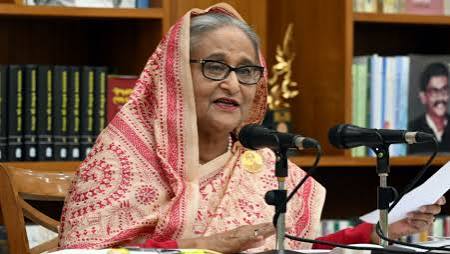
Responding to the ongoing agitations, the then ruling Awami League General Secretary Obaidul Quader, admitted that the protesters were demanding reform, not abolition, of the quota system. He welcomed the students’ decision to appoint legal representation and to participate in court proceedings. “We hope the country’s highest court will give a realistic decision after hearing all sides. Until then, I urge everyone to exercise patience,” he said.
However, Quader also warned that the BNP’s support for both the quota reform movement and the simultaneous protests by university teachers and staff against the Universal Pension Scheme was an ill-motivated move. He directed Awami Leaguers to remain vigilant against any political forces using these apolitical movements to create nationwide unrest.
While Dhaka remained relatively quiet, the quota reform protests continued on campuses across the country. At Rajshahi University, students held a sit-in on Paris Road for an hour from 3:00pm. At Rajshahi College, students blocked the road in front of the college from 11:00am for three hours. In Chattogram, students from Chittagong University formed a human chain and held a mass campaign at the Shaheed Minar premises from 10:30am. Kaniz Fatima, a student of the university and daughter of a freedom fighter, said, “I’m the daughter of a freedom fighter, and I don’t want quotas in government jobs. I will let my merit speak for itself.”
In Savar, hundreds of students from Jahangirnagar University blocked the Dhaka-Aricha highway near the campus for 30 minutes from 3:45pm. In Barishal, students of Brojomohun College (BM College) laid siege the Dhaka-Barishal highway in Nathullabad for two hours starting at 11:30am.
While July 9 offered a temporary break in the blockade programme, the determination of the students to carry the movement forward remained unwavering. With a renewed call for the next day’s full-day blockade, the stage was set for further escalation in the days ahead.