


 Play store

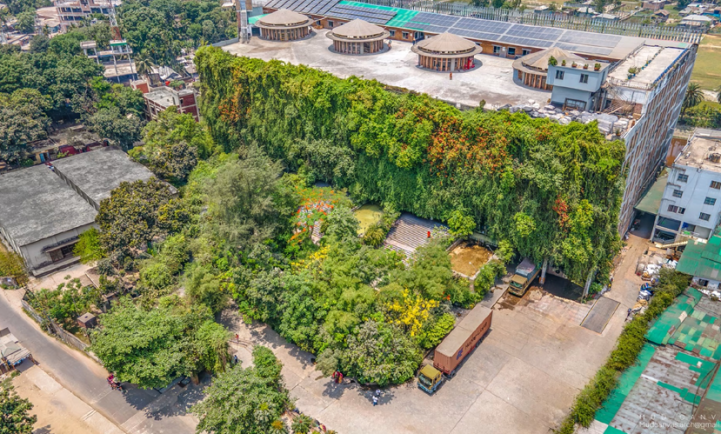
A seven-storey factory in Rangpur, designed to combine greenery, traditional Bengali architecture and worker-friendly facilities, has won the prestigious 2026 RIBA International Prize, bringing international recognition to Bangladesh’s architectural sector.
The Green Field factory, operated by Karupannya Rangpur Ltd, was named the winner by the Royal Institute of British Architects (RIBA) on October 15 following a unanimous decision by the jury.
Designed by Bangladeshi architectural firm Nakshabid Architects, the approximately 144,000-square-foot building serves as a workplace for nearly 5,000 workers, most of whom are women.
The factory has drawn international praise for placing workers’ well-being at the centre of its design while integrating nature into an industrial setting.
Located in the Robertsonগঞ্জ area of Rangpur, the factory incorporates elements of traditional Bengali rural homes, including courtyards, ponds, gardens and shaded verandas, into a modern industrial building.
Greenery covers parts of the walls, while landscaped balconies, open courtyards, water bodies and walking paths provide spaces for workers to rest, socialise and spend time outdoors.
According to architecture website ArchDaily, the design prioritises natural light, ventilation and climate-responsive cooling. Air passing over water bodies is cooled before entering the building, helping reduce reliance on mechanical air conditioning.
Facilities prioritise workers’ welfare
Worker welfare is a defining feature of the factory, which employs nearly 5,000 people, predominantly women.
Facilities include a childcare centre, a medical centre and shaded areas for rest and social interaction. The building also houses a canteen, prayer spaces and a shop selling everyday essentials.
A rooftop garden beside the childcare centre provides workers with a place to relax and have lunch. The gardens and open spaces are also intended to create a more welcoming environment for workers and their families.
At the main entrance stands a female figure sculpture named ‘Bonolota’, symbolising women’s empowerment, strength and dignity.
The architects emphasised that industrial buildings should consider workers’ comfort, needs and dignity rather than treating them solely as contributors to production.
The factory’s design also challenges conventional workplace hierarchies. While many large factories in Bangladesh maintain separate entrances for workers and senior officials, the Green Field building provides a common main entrance for workers, managers and owners.
Jury chair Vijay Jain described the shared entrance as a symbol of equal dignity for everyone.
He said the building’s distinctive feature was its attempt to create a shared environment for people, plants and other living creatures.
According to the RIBA Journal, the jury described the factory as “a quiet work of humility”, recognising it as an example of industrial architecture that gives equal importance to aesthetic quality and improvements in people’s lives.
The award marks a significant international achievement for Bangladeshi architecture, demonstrating how industrial facilities can combine production needs with environmental sustainability, traditional design and the well-being of workers.