Play store

The International Monetary Fund (IMF) on Sunday formally began discussions with Bangladesh on a new three-year loan programme under which the country hopes to secure $4 billion to $4.5 billion in financing.
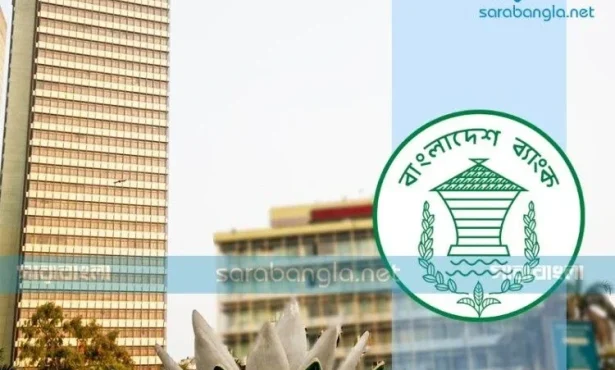
The discussions opened with an introductory meeting at the Bangladesh Bank, led by a 12-member IMF delegation headed by Ivo Krznar, Deputy Division Chief of the IMF’s Monetary and Capital Markets Department.
The delegation held meetings with Bangladesh Bank Deputy Governors Habibur Rahman and Kabir Ahmed before meeting Finance Minister Amir Khasru Mahmud Chowdhury at the Ministry of Finance. A second round of talks was later held at the central bank.
Bangladesh Bank spokesperson and Executive Director Arif Hossain Khan said Sunday’s meetings were mainly introductory, with detailed discussions involving relevant ministries, departments and agencies to follow.
The IMF mission will hold a series of meetings with the Finance Division, Bangladesh Bank and other government agencies, focusing on the FY2026-27 budget, measures to boost revenue collection, the rationale for tax exemptions, public expenditure management, the government pay structure and financial sector reforms.
The government says the new programme is intended to reflect the country’s changed economic realities and outline a reform agenda suited to the current situation.
Bangladesh formally applied for the new IMF programme in June after deciding to move away from the loan arrangement signed during the tenure of the ousted Sheikh Hasina government. The government expects to receive between $4 billion and $4.5 billion under the proposed three-year programme.
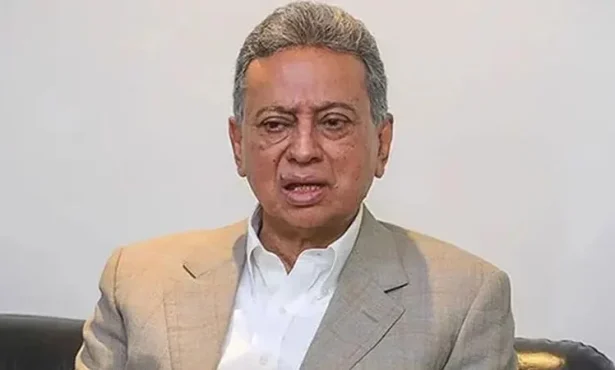
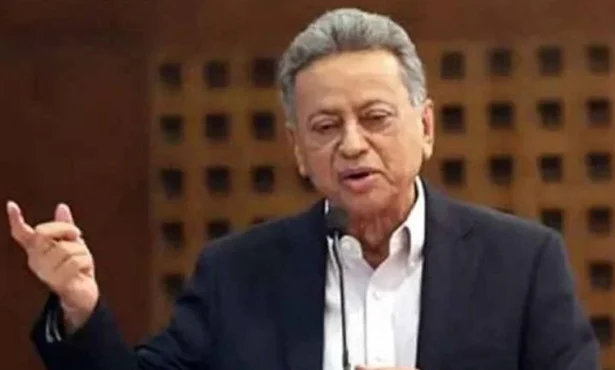
Finance Minister Amir Khasru Mahmud Chowdhury has said the economic and political conditions that existed when the previous programme was agreed upon have changed significantly. He said political developments, global economic uncertainty and domestic challenges had delayed the implementation of several reforms, making a new programme tailored to the current circumstances necessary.