Play store


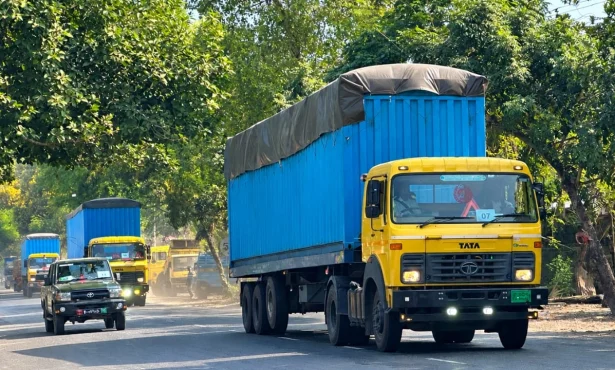
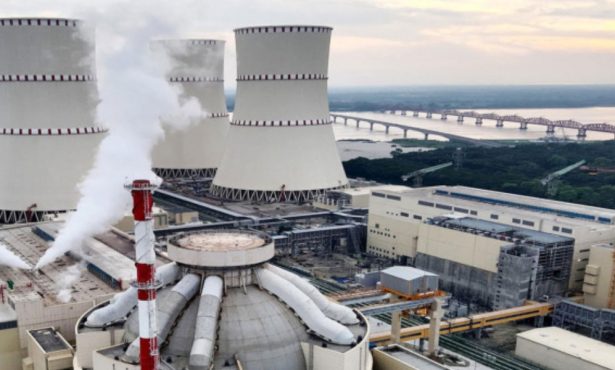
PABNA: The fifth consignment of nuclear fuel has arrived at the Rooppur Nuclear Power Plant in Pabna, marking another step towards the commissioning of the country’s first nuclear power facility.
The fuel-carrying trucks entered the project site under tight security and the overall supervision of the Bangladesh Army. The consignment arrived at around 7:30am on Friday (November 6).
With this latest delivery, a total of five consignments have so far reached the project site, including four delivered by October 31.
According to project sources, a total of nine consignments of nuclear fuel are being brought to Bangladesh under the supply plan of Russia’s state nuclear corporation Rosatom. These include 163 uranium fuel assemblies for the initial loading of Rooppur’s second unit and 48 additional fuel assemblies for the first unit.
The remaining consignments are expected to arrive in Bangladesh in phases by December.
Meanwhile, the trial electricity generation process at the first unit of the Rooppur Nuclear Power Plant has already begun.
Following the final approval from the Bangladesh Atomic Energy Regulatory Authority in late October 2023, the formal launch of the testing process took place on October 29-30.
If everything proceeds as planned, electricity from Rooppur could be connected to the national grid by December 2026, according to officials concerned.
Science and Technology Minister Fakir Mahbub Anam has said that electricity supply to the national grid could begin within five to six weeks, possibly in the first half of December or even earlier.
The plant has currently achieved 20 per cent thermal power capacity. Once this reaches 35 to 40 per cent, the steam generated will be used to rotate the turbine and activate the generator to produce electricity.
In the initial phase, 300 megawatts of electricity will be supplied to the national grid on a trial basis. Generation will then be gradually increased based on close monitoring by scientists and the successful completion of each stage.
The target is to generate more than 1,100 megawatts from the first unit within the first six months of operation.
Project Director Dr Md Kabir Hossain said every stage of the power plant’s operation was highly sensitive, and 100 per cent safety was being ensured before moving from one stage to another.
He said equipment was being repeatedly tested and repaired until satisfactory results were achieved in technical checks and valve tests.
Once both units of the project become fully operational, the plant is expected to supply a total of 2,400 megawatts of affordable, carbon-free electricity to the national grid.