


 Play store

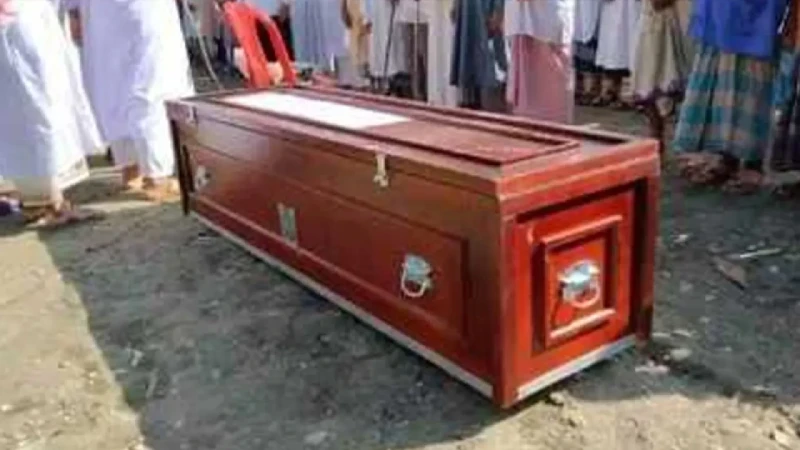
The number of Bangladeshi migrant workers dying abroad continues to rise, with Saudi Arabia accounting for the largest share of repatriated bodies, highlighting concerns over workplace safety, healthcare, abuse and inadequate protection.
According to the Wage Earners’ Welfare Board, the bodies of 5,312 Bangladeshi expatriates were brought home in FY2025-26, up from 4,972 in FY2024-25 and 4,745 in FY2023-24. Between January 1 and October 26, 2026, another 4,048 bodies were repatriated.
Saudi Arabia accounted for nearly 1,000 of those deaths, or around one-fourth of the total. The country is home to approximately three million Bangladeshi workers.
The situation is particularly concerning for female migrant workers. Between 2017 and October 25, 2026, the bodies of 1,065 Bangladeshi women were returned from different countries, including 486 from Saudi Arabia. Of the women repatriated from Saudi Arabia, 112 were officially recorded as having died by suicide.
Migration expert Asif Munir stressed the need for proper training before workers go abroad, including technical skills, language proficiency and workplace safety awareness. He also called for stronger protection for female workers, particularly those employed in domestic work, and more active diplomatic missions to ensure prompt repatriation and compensation.
Mizanur Rahman, former joint secretary-general of the Bangladesh Association of International Recruiting Agencies (BAIRA), said the actual causes of migrant workers’ deaths must be investigated and addressed. He urged the government to work with recruiting agencies and form a committee to ensure timely repatriation, investigation and compensation.
Concerns also remain over the transparency of death investigations. In many cases, authorities rely on death certificates issued abroad, while fresh post-mortem examinations are rarely conducted after bodies arrive in Bangladesh.
Dr Tasneem Siddiqui, founding chairperson of the Refugee and Migratory Movements Research Unit (RMMRU), called for second post-mortem examinations when bodies show signs of injury. She also stressed the need for airport morgues, preservation facilities and qualified forensic doctors.
Under existing government provisions, families of eligible deceased migrant workers receive Tk 300,000 in financial assistance, generally within two months of death. They also receive Tk 35,000 for transportation and burial expenses when the body arrives at the airport.
The government distributed Tk 18.59 crore among families of 5,312 deceased expatriates in FY2025-26. However, families often face delays in receiving assistance, recovering unpaid wages and securing compensation, particularly when workers have irregular migration status.
Bangladesh’s diplomatic missions and labour welfare wings are responsible for coordinating repatriation, completing documentation and pursuing outstanding wages and compensation. However, employers’ non-cooperation, legal complications and administrative delays continue to make the process difficult for many bereaved families.